

NO.1
Listed and publicly traded BMS enterprise Stock Code:301157 (SZSE)
Keeping AI data centers online, connected, monitored, and securely managed through Gerchamp's advanced battery and monitoring technologies, delivering fully integrated turnkey NiZn power solutions.
NO.1
Listed and publicly traded BMS enterprise Stock Code:301157 (SZSE)
20+
Backed by 20+ years of technical expertise, we deliver robust and future-ready solutions.
1K+
We have over 1,000+ global customers across diverse industries.
50+
Customers in more than 56 countries and regions worldwide.
We build, research, and manufacture...
Gerchamp manufactures nickel-zinc batteries and cabinets for AI data centers and mission-critical industries. The nickel-zinc chemistry is a perfect replacement for legacy lead-acid batteries, requiring only 1/3 to 1/2 the footprint and floor loading requirements, while offering a high discharge rate of up to 10C, no single-point-of-failure issues, a wider temperature tolerance, and excellent ESG compliance.
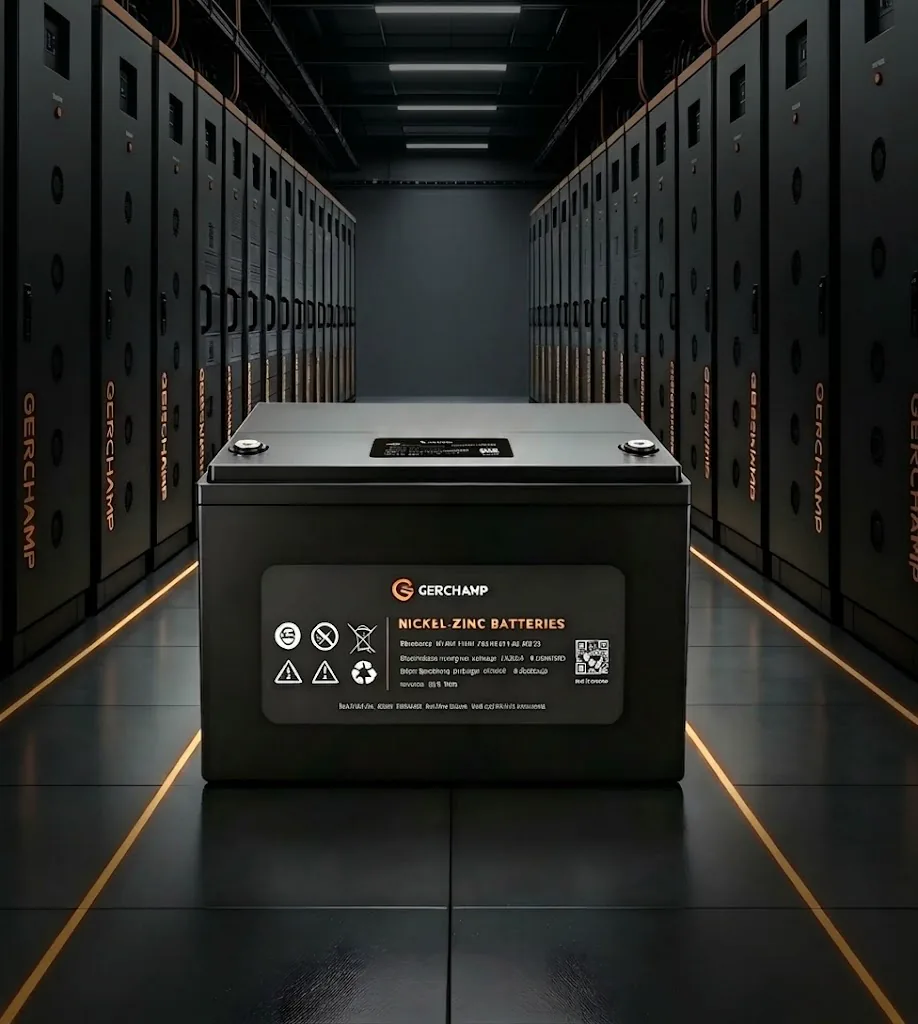
The 38Ah, 13.2V nickel-zinc battery is a perfect replacement of 110Ah 12V lead-acid battery for UPS applications.
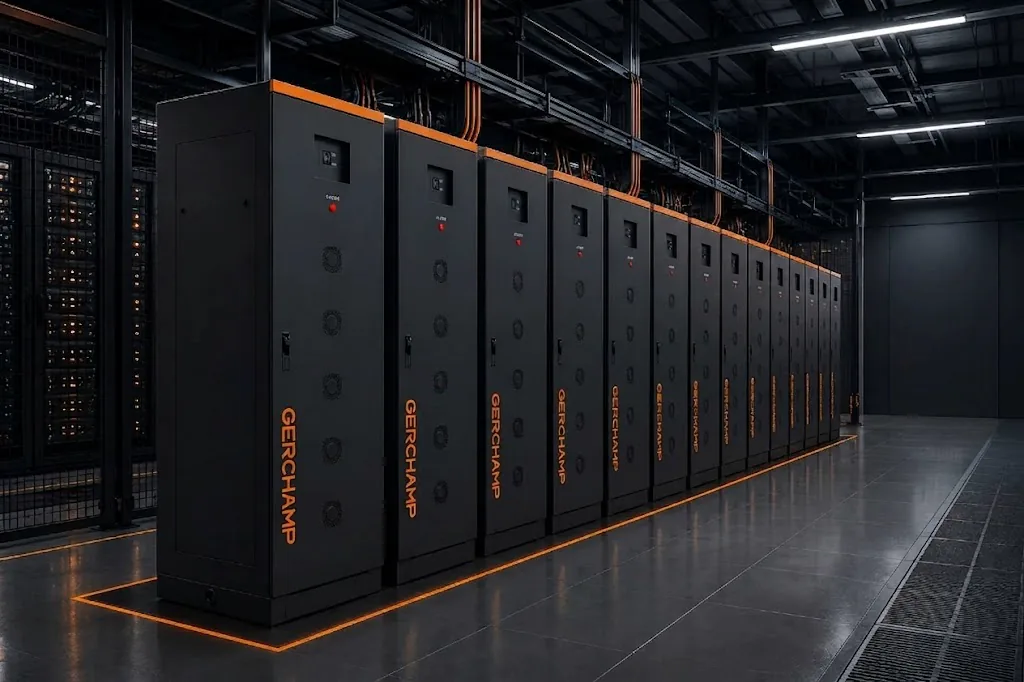
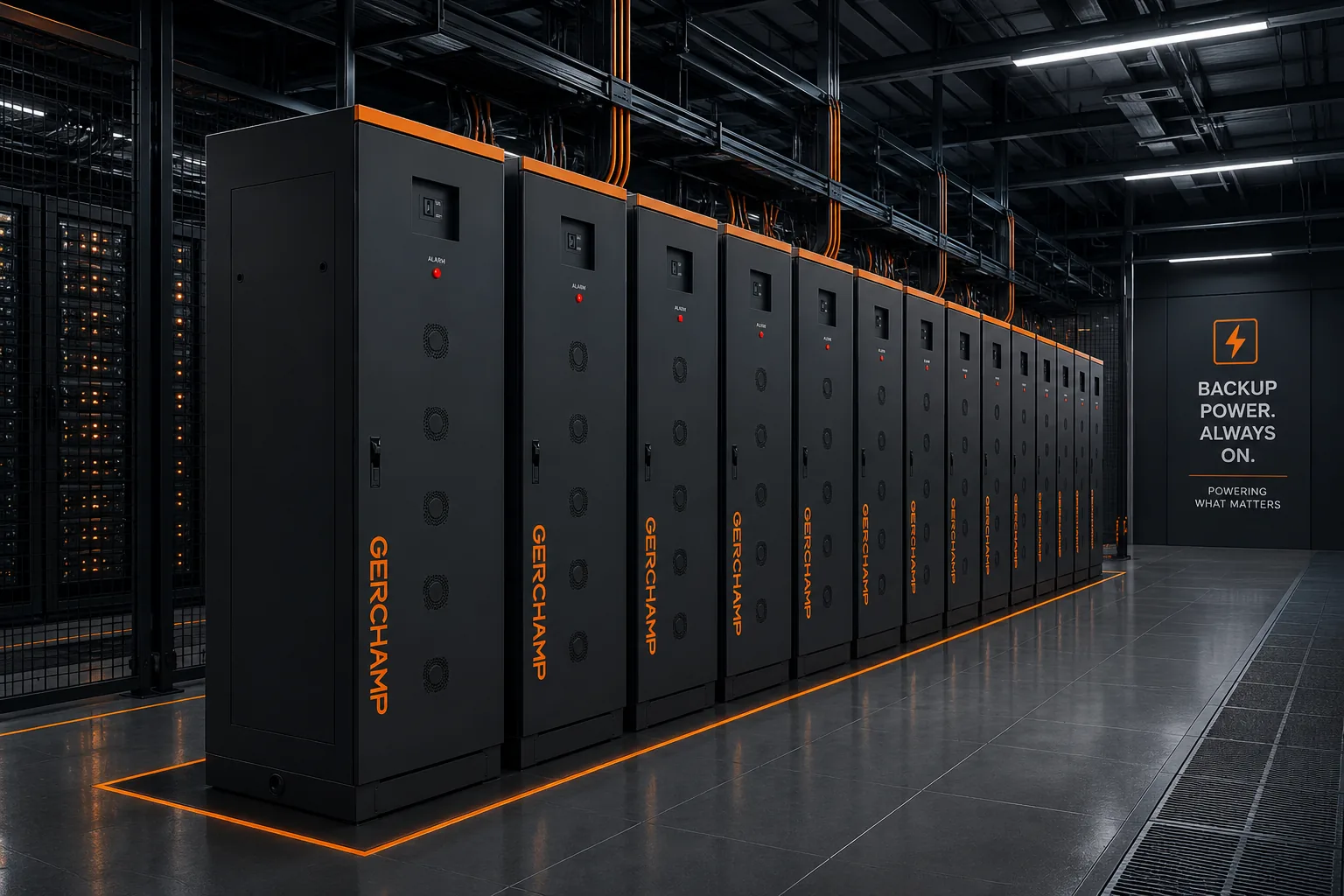
The 42U height NiZn battery cabinet reclaims white space from VRLA battery racks, the saved space can be used to deploy revenue-generating servers.
Gerchamp builds, researches, and manufactures turnkey infrastructure technologies to meet specific mission-critical and energy storage requirements.
01
Gerchamp delivers Battery Monitoring Systems, Nickel-Zinc Battery Systems, System monitoring solutions, and Liquid-Cooling solutions for Data Centers. The nickel-zinc backup power ensures safety and reliability, while the monitoring technology supports all battery chemistries for efficient, uninterrupted data center operations.
Learn More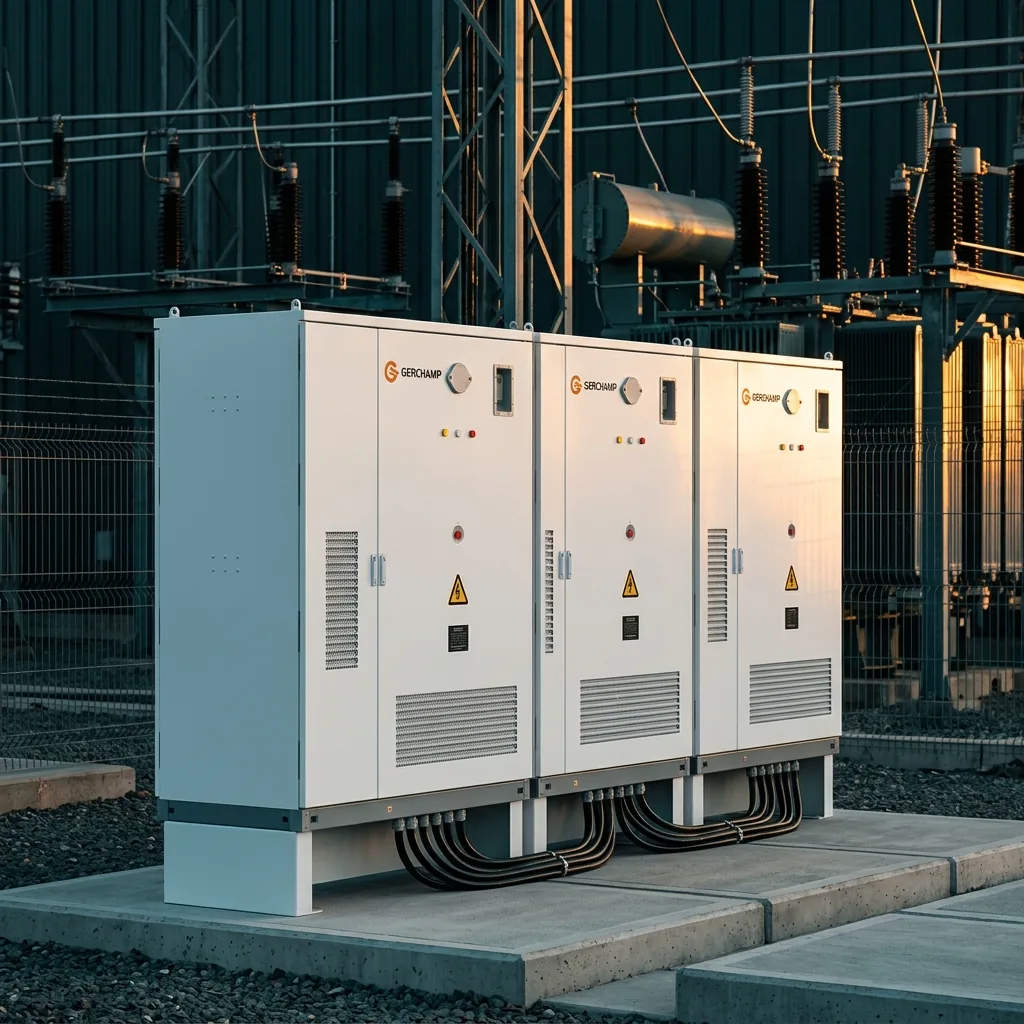
02
Build a “digital immune system” for core power equipment, transforming safety from reactive response to proactive prediction.
Learn More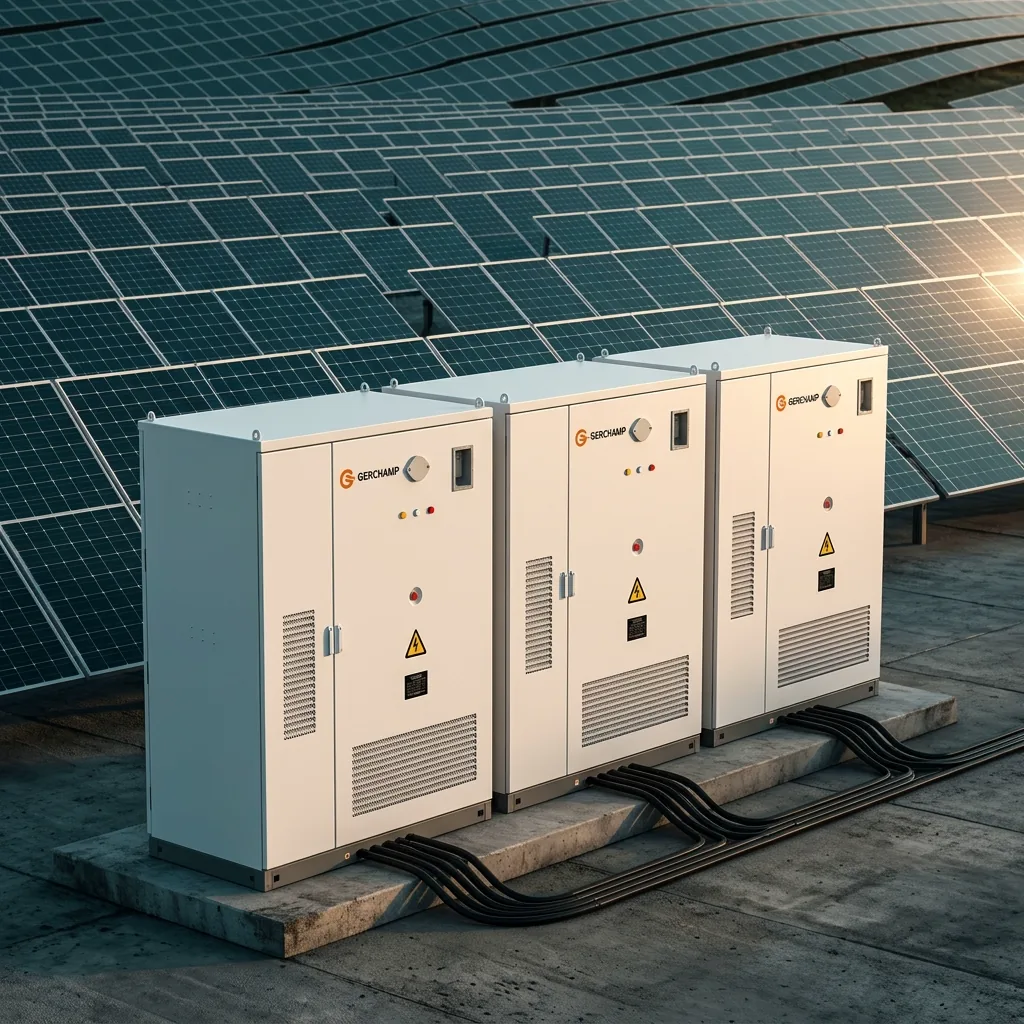
03
Generate clean power for your home or business with our solar systems. Maximize energy independence and reduce bills by storing surplus energy for reliable use anytime.
Learn More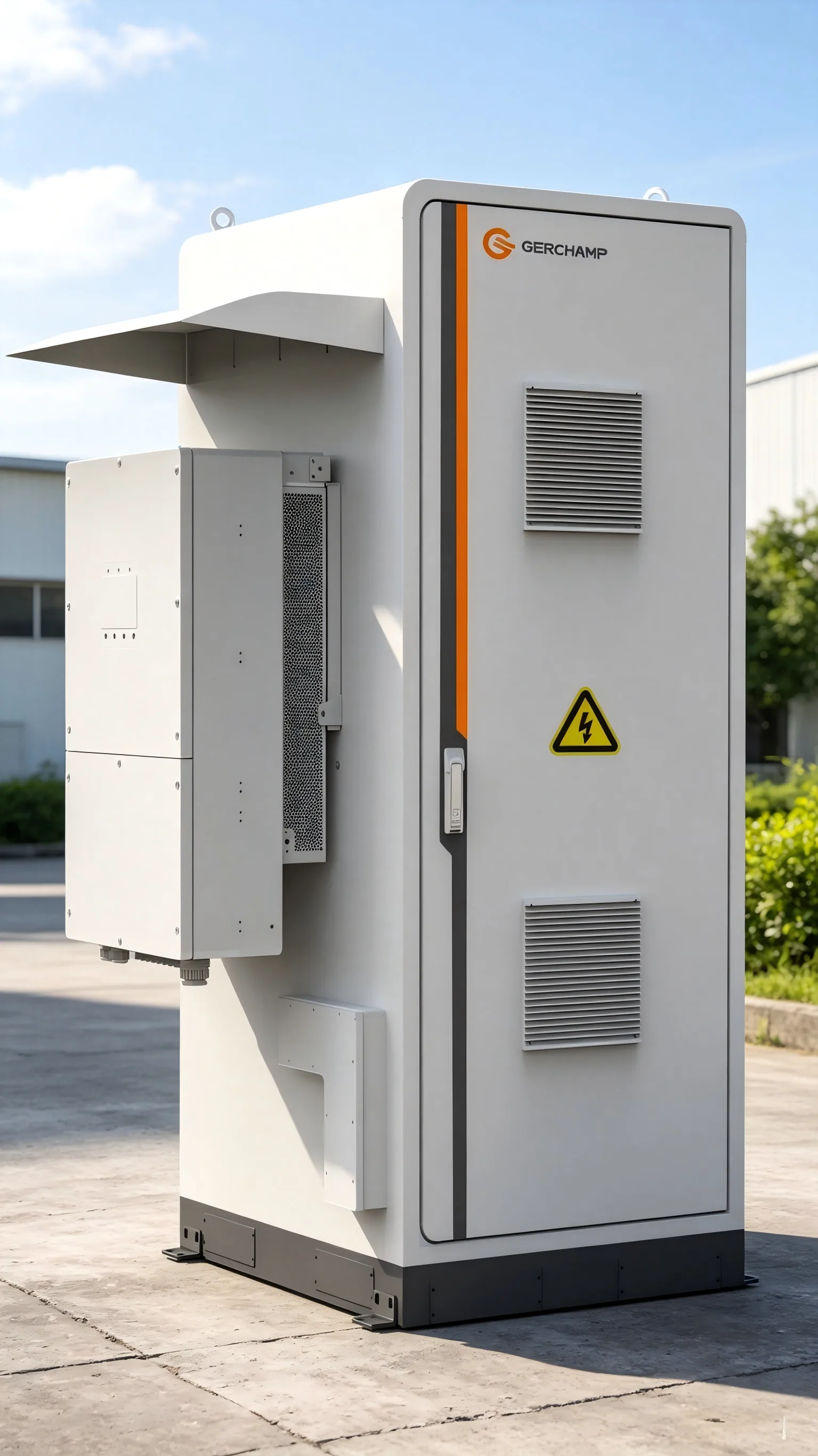
04
Providing an integrated turnkey cell-level management to full cabinet energy storage, Gerchamp builds tailored energy storage solutions from residential to utility-scale for any chemistry. Maximize safety, efficiency, and real-time analytics with intelligent management.
Discover BESSGerchamp owns the patents, R&D, and manufacturing behind its energy and infrastructure solutions. From battery management systems for any chemistry and nickel-zinc batteries to turnkey nickel-zinc BESS, AI datacenter liquid cooling, and building management systems, we deliver vertically integrated, in-house solutions that make your life easier.
Learn More

NO.1
20+
1K+
50+
Battery Technology Insights
Selecting between nickel-zinc, lithium iron phosphate, and lead-acid depends on your priorities — safety, total cost of ownership, space, sustainability, and operational resilience.
Vertically Integrated
Most vendors assemble a patchwork of white-labeled components from separate suppliers. Gerchamp engineers, manufactures, and programs every layer in-house — from the cell chemistry to the cloud platform.
| Capability | Gerchamp | Vendor A | Vendor B |
|---|---|---|---|
| Battery Cells | In-house designed and manufactured | Sourced from third-party cell makers | Sourced from third-party cell makers |
| Battery Management System | Proprietary hardware and firmware | White-labeled BMS from OEM supplier | In-house BMS, cells sourced externally |
| Battery Modules and Packs | Designed, assembled and tested in-house | Assembled from sourced cells and BMS | Assembled from sourced cells |
| Energy Storage Cabinets | Custom-engineered enclosures | Third-party cabinet with vendor integration | White-labeled from contract manufacturer |
| Energy Management System | Proprietary software platform | Licensed third-party EMS software | No EMS offering |
| Power Conversion System | In-house inverter and controls | Sourced from power electronics vendor | Sourced from power electronics vendor |
| System Integration | Single-vendor full-stack warranty | Multi-vendor coordination required | Multi-vendor coordination required |
| Firmware and Software Updates | Direct OTA from engineering team | Dependent on upstream suppliers | Partial, BMS updates only |
| Custom Engineering | Cell-to-system customization | Limited to cabinet-level changes | Limited to BMS parameters |
Vendor A and Vendor B represent composite profiles of typical competitors in the energy storage industry. Specific capabilities vary by vendor.
Have a question or want to learn more? Send us a message.