Zero Thermal Runaway
for Safer Backup Power Solutions
Nickel-Zinc Battery & Cabinet:
Smaller, Lighter, Greener – a reliable and sustainable choice.
Overview
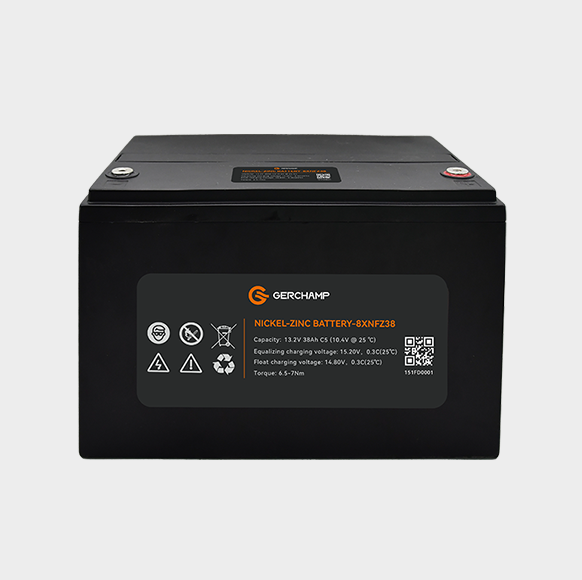
At Gerchamp, our patented Nickel‑Zinc battery technology delivers an optimal balance of safety, reliability, and economic value in one streamlined solution. Compact and lightweight, our batteries eliminate thermal runaway risks at the chemical level for inherent safety, while non‑toxic, recyclable materials support high performance with strong environmental compatibility. With robust high‑rate discharge capabilities and stable operation across −20°C to 55°C, they provide consistent power output in challenging conditions. Available from individual battery units to complete intelligent battery cabinet systems, our solutions serve key industries including data centers, railways, finance, petroleum and petrochemicals, emergency systems, and communications infrastructure—all places where safety and reliability can never be compromised.
Overview
At Gerchamp, our patented Nickel‑Zinc battery technology delivers an optimal balance of safety, reliability, and economic value in one streamlined solution. Compact and lightweight, our batteries eliminate thermal runaway risks at the chemical level for inherent safety, while non‑toxic, recyclable materials support high performance with strong environmental compatibility. With robust high‑rate discharge capabilities and stable operation across −20°C to 55°C, they provide consistent power output in challenging conditions. Available from individual battery units to complete intelligent battery cabinet systems, our solutions serve key industries including data centers, railways, finance, petroleum and petrochemicals, emergency systems, and communications infrastructure—all places where safety and reliability can never be compromised.
Nickel-Zinc Chemistry
The nickel-zinc battery is an aqueous rechargeable system comprising a Ni(OH)₂ positive electrode, a metallic zinc negative electrode, and an alkaline electrolyte (e.g., KOH), with a nominal voltage of 1.6–1.8 V. Its primary advantage is the non-flammability of the aqueous electrolyte, which eliminates the thermal runaway risks inherent to organic electrolytes. The standard electrode potential of zinc (−0.762 V vs. SHE) further ensures thermodynamic stability in aqueous media.
Key components include a nickel foam/Ni(OH)₂ positive electrode, a zinc powder–ZnO/copper-strip negative electrode, a KOH or NaOH electrolyte, a porous polymer or inorganic composite separator, and a metal, plastic, or hard-rubber casing.
Operation relies on reversible electrode redox reactions: during discharge, the negative electrode is oxidized (electron loss) while the positive electrode is reduced (electron gain); charging reverses this process, enabling efficient interconversion of electrical and chemical energy.
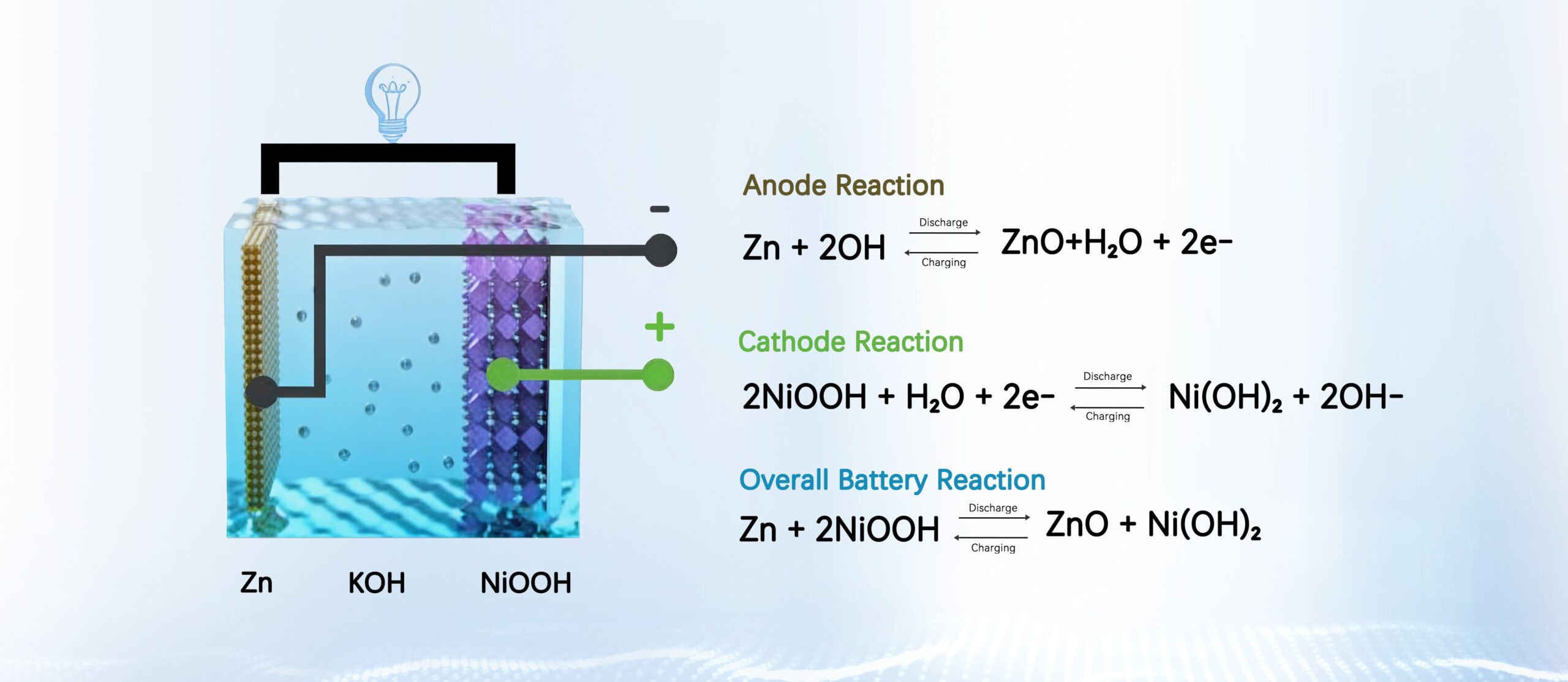
The nickel-zinc battery is an aqueous rechargeable system comprising a Ni(OH)₂ positive electrode, a metallic zinc negative electrode, and an alkaline electrolyte (e.g., KOH), with a nominal voltage of 1.6–1.8 V. Its primary advantage is the non-flammability of the aqueous electrolyte, which eliminates the thermal runaway risks inherent to organic electrolytes. The standard electrode potential of zinc (−0.762 V vs. SHE) further ensures thermodynamic stability in aqueous media.
Key components include a nickel foam/Ni(OH)₂ positive electrode, a zinc powder–ZnO/copper-strip negative electrode, a KOH or NaOH electrolyte, a porous polymer or inorganic composite separator, and a metal, plastic, or hard-rubber casing.
Operation relies on reversible electrode redox reactions: during discharge, the negative electrode is oxidized (electron loss) while the positive electrode is reduced (electron gain); charging reverses this process, enabling efficient interconversion of electrical and chemical energy.
Features
01
Safe and Reliable
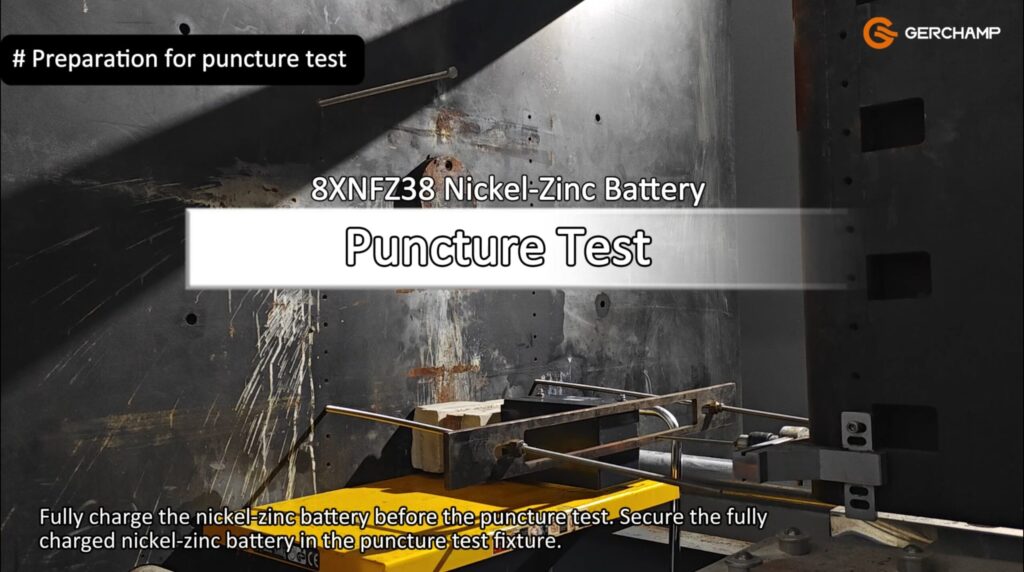
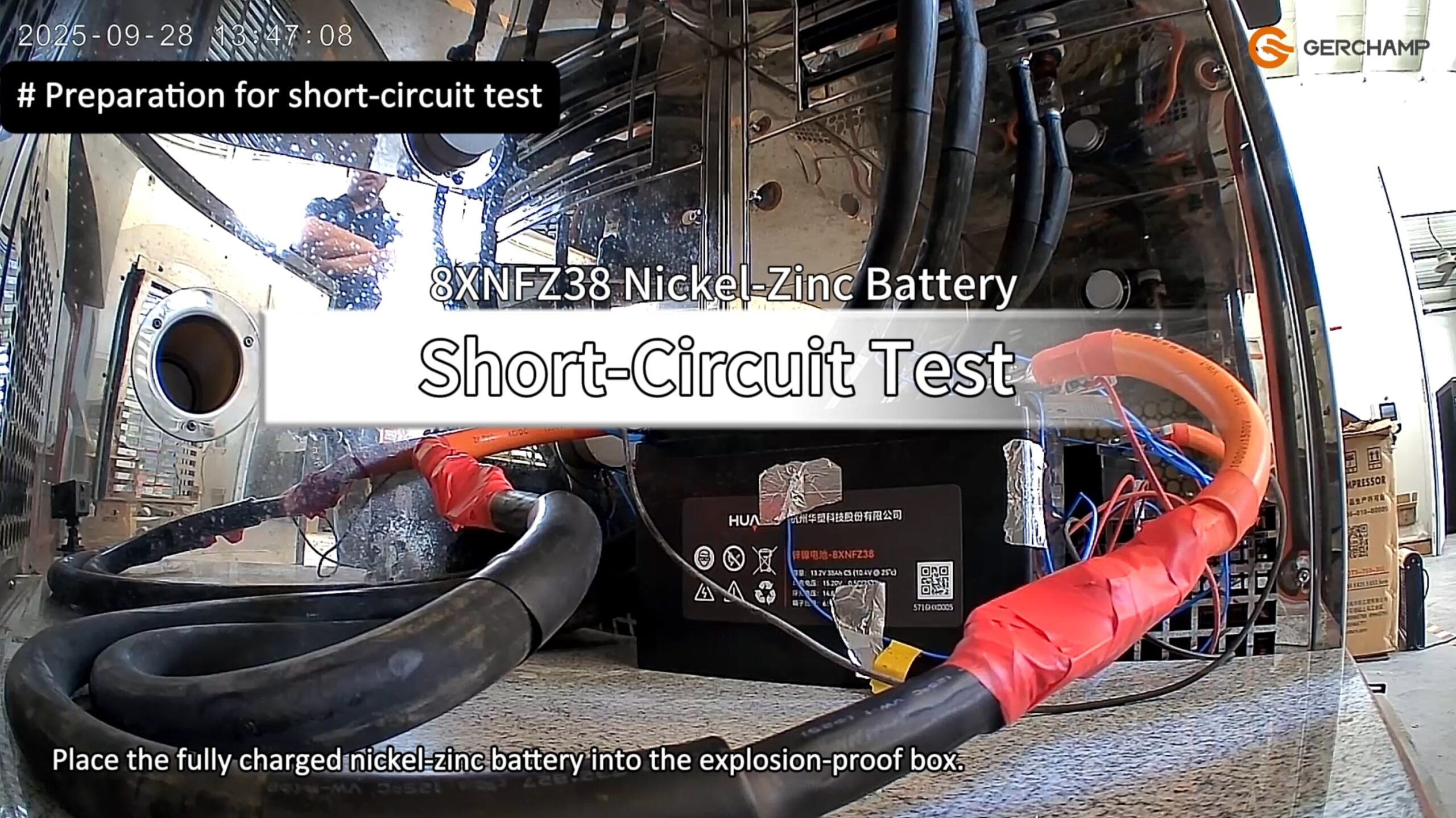
Proven across extreme tests—including overcharge, short circuit, nail penetration, crush, and thermal abuse—with no explosion or fire. This inherent safety outperforms traditional lead-acid batteries, reducing system complexity, protective circuitry, and maintenance costs. For critical applications such as data center UPS, medical backup, and telecom infrastructure, it delivers uninterrupted operation and personnel safety where failure is not an option.
02
High Rate
Our battery supports 3C continuous discharge rate, enabling rapid and efficient delivery of high-power electricity within a short timeframe. Such high-rate capability is particularly valuable in critical power applications—such as data center UPS systems, telecom backup power, medical life-support equipment, and industrial emergency power systems—where immediate and reliable high-power output is essential during grid disturbances or outages.
03
Wide Temperature Range
Operating reliably from −20°C to 55°C, this battery maintains charge/discharge efficiency and voltage stability across the full range—eliminating the need for intensive thermal management systems. Consistent performance in extreme cold or high ambient temperatures reduces system complexity and operational costs, where traditional batteries would otherwise require additional thermal support.
04
Smaller and Lighter
At the same capacity, this battery is half the size and one-third the weight of traditional lead-acid batteries, while achieving higher power density. The compact, lightweight form factor enables more flexible deployment, simplifies transportation and installation, reduces structural support requirements, and frees up valuable space—delivering clear operational and economic advantages over conventional lead-acid solutions.
05
Eco-friendly
With over 90% recyclability and no lead, rare earth elements, or hazardous heavy metals, nickel-zinc batteries offer an inherently eco-friendly profile. Lifecycle assessments show 25–50% lower greenhouse gas emissions than lead-acid and lithium-ion alternatives, with significantly reduced water consumption and energy demand during production. Abundant, domestically available zinc and nickel eliminate reliance on conflict minerals. For organizations committed to ESG goals and carbon reduction, nickel-zinc batteries decarbonize energy storage without compromising performance or safety.
Features
01
Safe and Reliable
Proven across extreme tests—including overcharge, short circuit, nail penetration, crush, and thermal abuse—with no explosion or fire. This inherent safety outperforms traditional lead-acid batteries, reducing system complexity, protective circuitry, and maintenance costs. For critical applications such as data center UPS, medical backup, and telecom infrastructure, it delivers uninterrupted operation and personnel safety where failure is not an option.
02
High Rate
Our battery supports 3C continuous discharge rate, enabling rapid and efficient delivery of high-power electricity within a short timeframe. Such high-rate capability is particularly valuable in critical power applications—such as data center UPS systems, telecom backup power, medical life-support equipment, and industrial emergency power systems—where immediate and reliable high-power output is essential during grid disturbances or outages.
03
Wide Temperature Range
Operating reliably from −20°C to 55°C, this battery maintains charge/discharge efficiency and voltage stability across the full range—eliminating the need for intensive thermal management systems. Consistent performance in extreme cold or high ambient temperatures reduces system complexity and operational costs, where traditional batteries would otherwise require additional thermal support.
04
Smaller and Lighter
At the same capacity, this battery is half the size and one-third the weight of traditional lead-acid batteries, while achieving higher power density. The compact, lightweight form factor enables more flexible deployment, simplifies transportation and installation, reduces structural support requirements, and frees up valuable space—delivering clear operational and economic advantages over conventional lead-acid solutions.
05
Eco-friendly
With over 90% recyclability and no lead, rare earth elements, or hazardous heavy metals, nickel-zinc batteries offer an inherently eco-friendly profile. Lifecycle assessments show 25–50% lower greenhouse gas emissions than lead-acid and lithium-ion alternatives, with significantly reduced water consumption and energy demand during production. Abundant, domestically available zinc and nickel eliminate reliance on conflict minerals. For organizations committed to ESG goals and carbon reduction, nickel-zinc batteries decarbonize energy storage without compromising performance or safety.
Test Videos
Test Videos
Certifications
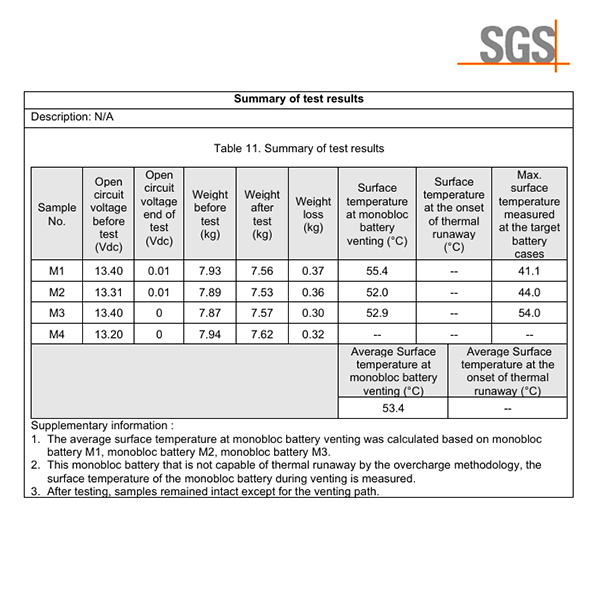
UL9540A
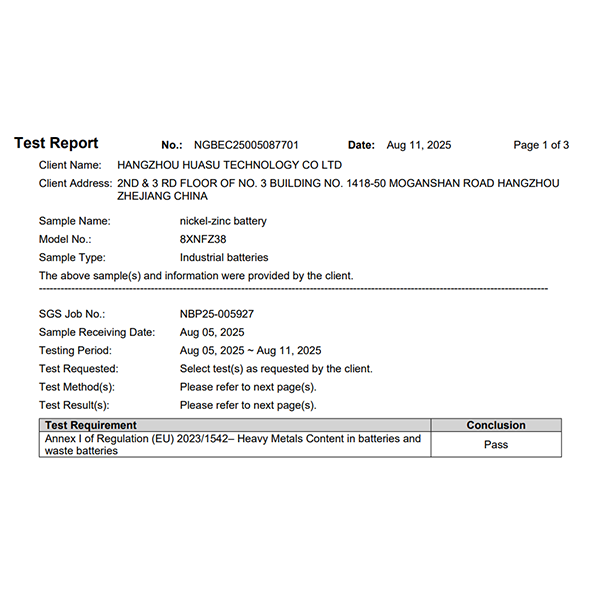
EU 2023/1542
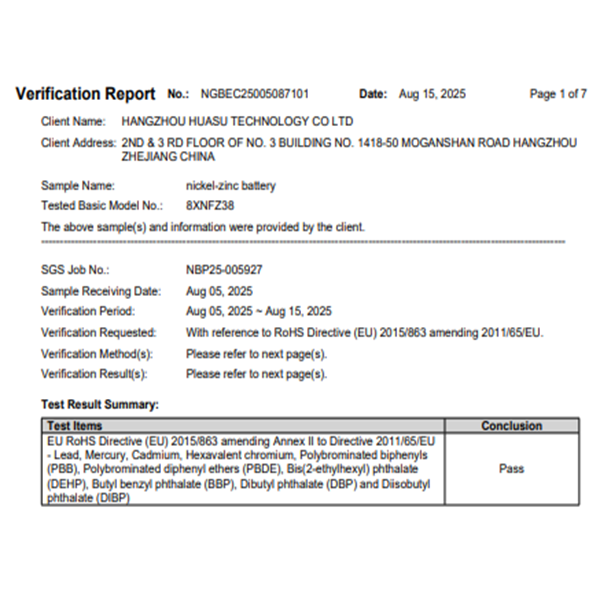
RoHS
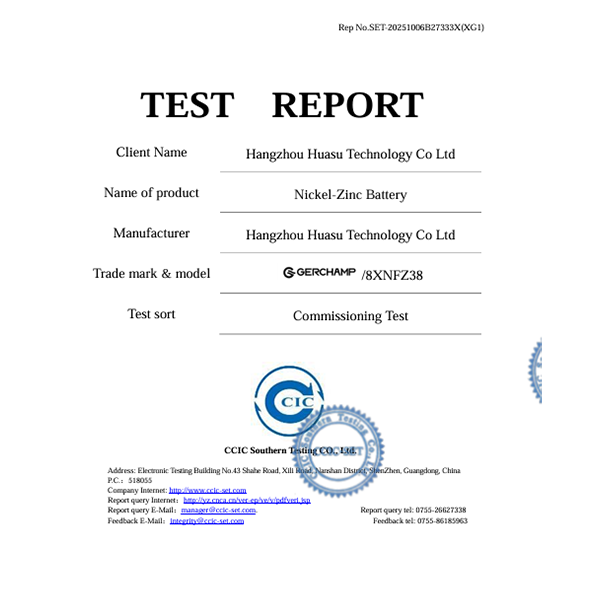
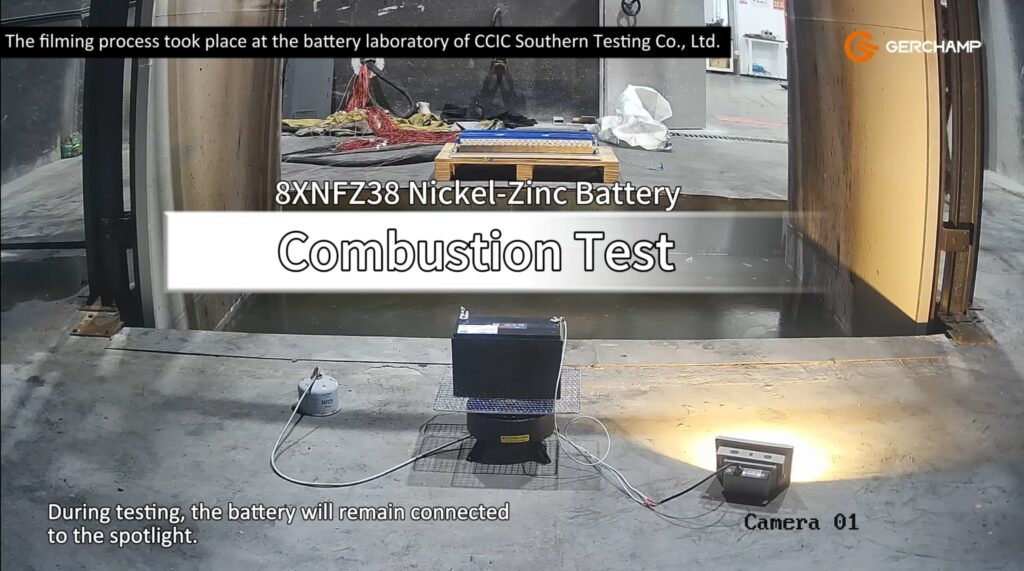
Combustion Test
Certifications
UL9540A
EU 2023/1542
RoHS
Combustion Test
Request a Free Quote
Request a Free Quote
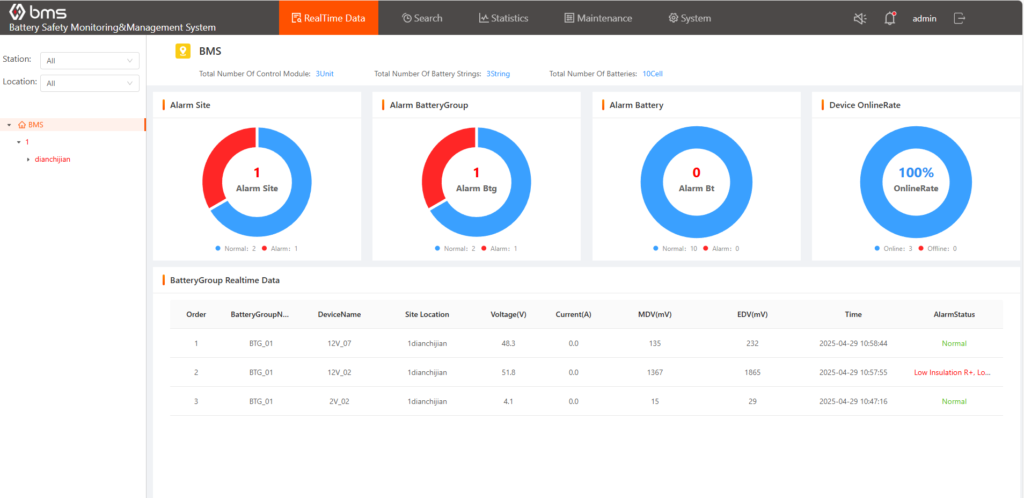
Apply a demo of Gerchamp’s Cloud Platform
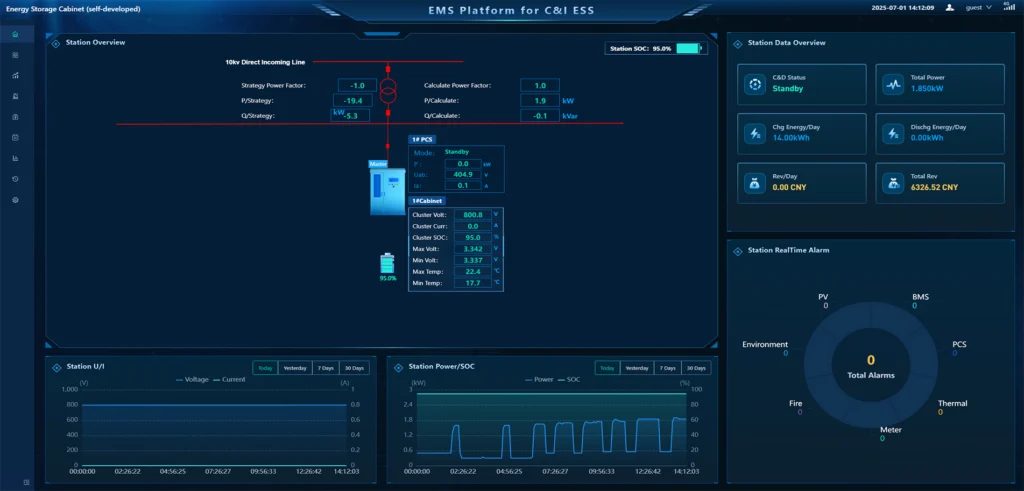
Apply a demo of Gerchamp’s Cloud Platform
 Gerchamp