As digital infrastructure expands globally, especially in regions with fast-growing data center capacity and harsh environmental conditions, tolerance for power instability continues to shrink. Higher rack densities, AI workloads, and always-on services mean that electrical systems are operating closer to their limits than ever before.
However, AIDC differs from conventional data centers, as the operational patterns of AI workloads are entirely distinct from any scenario data centers have encountered before. GPU clusters no longer maintain stable power supply but instead exhibit dramatic fluctuations — loads can surge to 15 times idle capacity within milliseconds, sometimes occurring multiple times per second. These rapid pulses generate electrical shock waves that propagate from IT racks to the power grid, imposing new demands on backup batteries.
Choosing the right battery technology therefore becomes a strategic decision. Gerchamp Nickel Zinc battery, offer a compelling alternative for critical backup power. Compared with traditional lead-acid systems, NiZn batteries can deliver higher energy density with only one-half to one-third of the volume and weight, helping operators address growing space constraints inside UPS rooms and battery cabinets.
Although lithium batteries also have the advantage of high energy density, NiZn batteries do not carry the risk of thermal runaway. This intrinsic safety advantage is particularly valuable in confined indoor environments where fire risk, ventilation limits, and personnel safety are constant concerns.
Furthermore, Gerchamp nickel-zinc battery support 3C discharge without short-circuiting (as verified by short-circuit tests) and have undergone rigorous extreme tests (including puncture and combustion tests) without any explosions or fires. Additionally, Gerchamp batteries boast a recycling rate exceeding 90% and are made from non-polluting materials, promoting clean energy usage and helping reduce carbon footprints.
By improving both power reliability and safety, Nickel zinc backup battery technologies are becoming a foundational element in the resilience of modern critical infrastructure.
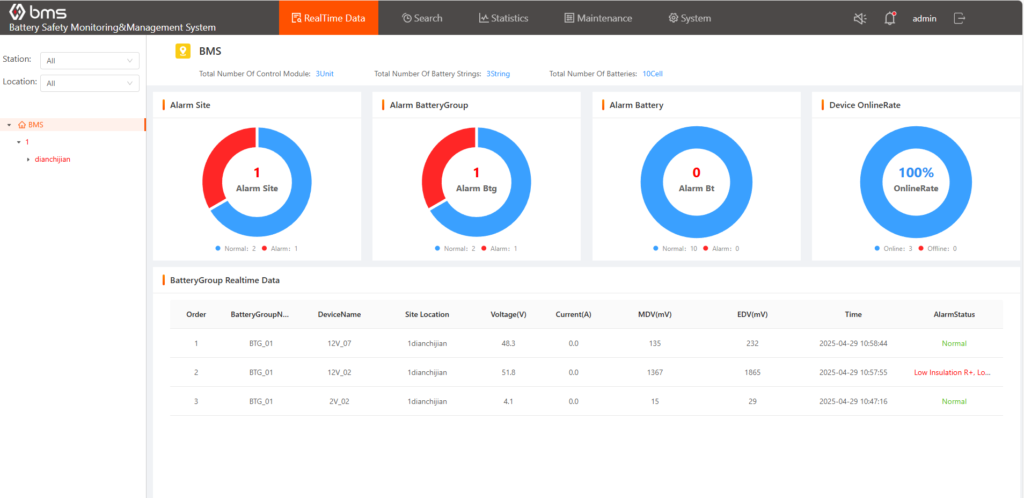
Apply a demo of Gerchamp’s Cloud Platform
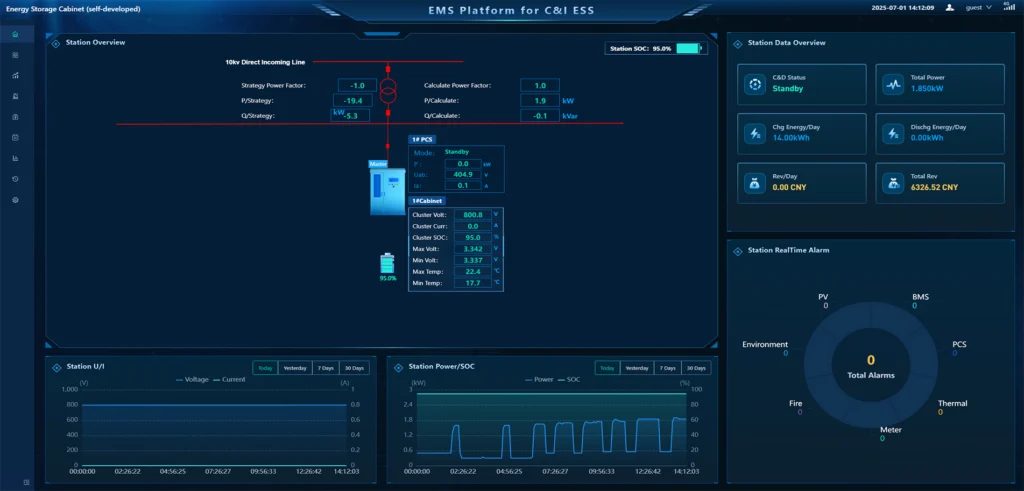
Apply a demo of Gerchamp’s Cloud Platform
 Gerchamp