As global deployment of backup energy solutions accelerates — particularly in critical sectors like data centers for UPS and backup power systems — the industry is entering a new phase. Merely pursuing performance is no longer sufficient.
What happens at end-of-life?
Lifecycle termination management is emerging as one of the most critical sustainability challenges in the energy transition. Materials sourcing, manufacturing intensity, recyclability, and environmental recovery pathways now directly influence regulatory approval, ESG scoring, insurance risk assessment, and long-term total cost of ownership.
In many conventional battery chemistries, end-of-life processing remains complex, energy-intensive, or dependent on specialized recovery chains. Some materials require high-temperature smelting or chemical extraction, increasing carbon footprint and secondary waste streams. As deployment scales, these downstream impacts multiply.
This is where material choice fundamentally matters.
A Chemistry Designed for Circularity
Nickel-zinc (NiZn) batteries offer a fundamentally different sustainability profile.
Zinc, in particular, benefits from a global recycling rate exceeding 90%, supported by decades of industrial recovery infrastructure. Copper and nickel similarly maintain high recovery efficiency in existing metal recycling systems.
In advanced recycling streams, Gerchamp nickel-zinc battery systems can achieve material recovery rates exceeding 90%, significantly reducing environmental burden at end-of-life.
Lifecycle Impact: Data Matters
A study conducted a cradle-to-grave life cycle assessment of nickel-zinc batteries through independent lifecycle evaluation. The results demonstrated that compared to conventional lead-acid and lithium-based batteries, nickel-zinc batteries exhibit significantly lower global warming potential (GWP) and markedly reduced cumulative energy demand (CED).
As storage deployments scale globally, these differences compound.
High Power Without Environmental Compromise
Beyond sustainability metrics, nickel-zinc batteries deliver rapid response capability and high power density — making them suitable for mission-critical backup and high-demand applications.
But the true differentiator lies in alignment with circular economy principles:
With energy storage capacity expanding worldwide, end-of-life strategy must be designed into systems from day one.
Gerchamp Nickel-zinc technology demonstrates that powerful performance does not need to come at the expense of the planet.
As deployment volumes grow, the most responsible solution will not only store energy efficiently—but return its materials safely back into the cycle.
A circular energy future starts with chemistry choices that are designed for regeneration.
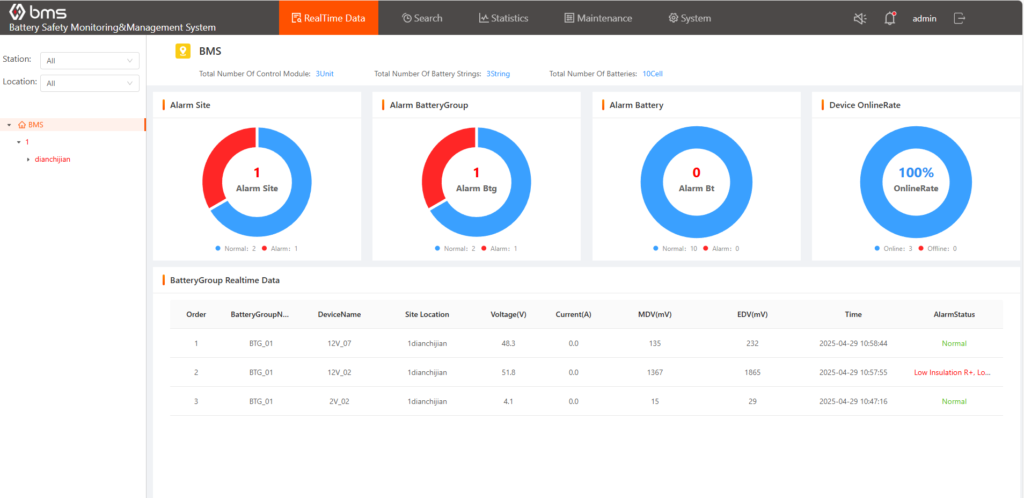
Apply a demo of Gerchamp’s Cloud Platform
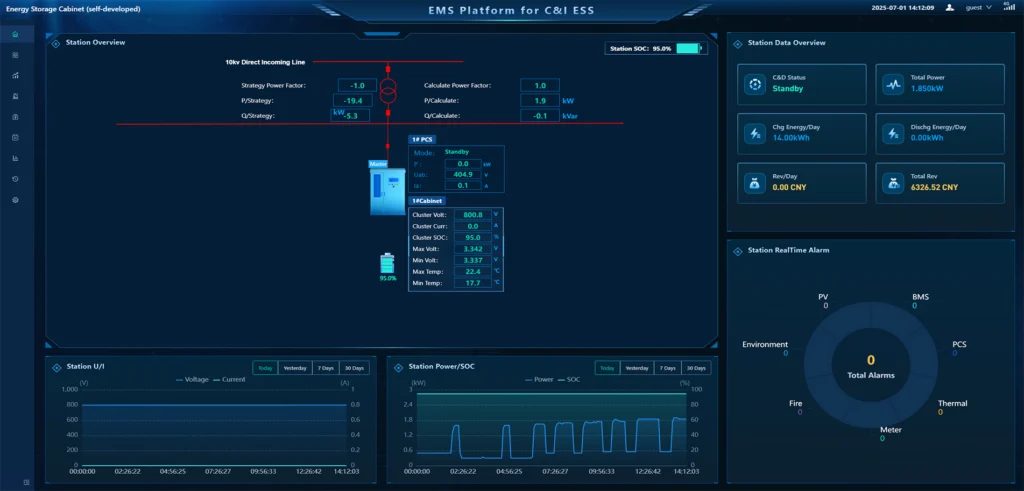
Apply a demo of Gerchamp’s Cloud Platform
 Gerchamp