Backup power for telecom base stations, including UPS systems and battery banks composed of multiple parallel rechargeable batteries has traditionally relied on lead-acid batteries. These batteries remain the most widely used energy storage solution in telecom power systems. However, despite their continued relevance, lead-acid batteries face several challenges that cannot be overlooked.
1. Limited Lifespan
Lead-acid batteries in telecom applications often fail to reach their manufacturer-rated lifespan. Indoor equipment operating around 25°C typically sees a lifespan of 6–7 years, while outdoor installations—subject to higher temperatures—may experience only 2–3 years of service life.
2. Early Battery Failure
In practice, lead-acid batteries may fail prematurely, with discharge capacity dropping below 80%. Common causes of failure include grid corrosion and deformation, electrolyte drying, negative electrode sulfation, premature capacity loss (PCL), and thermal runaway.
3. Size and Weight Constraints
Among commonly used secondary batteries, lead-acid batteries have the lowest volumetric and gravimetric energy density. Modern telecom infrastructure demands compact, integrated equipment to maximize limited space. However, due to the inherent characteristics of lead-acid batteries, they occupy 20–30% of the space in a typical outdoor cabinet, limiting deployment flexibility.
4. High Maintenance Costs
Regular maintenance is crucial for prolonging battery life. Lead-acid batteries require quarterly and annual inspections to identify underperforming or failing units and perform necessary replacement or maintenance. These tasks are costly and become even more challenging in remote or harsh locations, such as border networks, mountainous areas, or sites with unstable power grids.
5. Environmental Concerns
Lead pollution occurs primarily during the manufacturing and recycling of lead-acid batteries, particularly during the melting process. In fact, improper recycling poses an even greater environmental risk than production.
Toward a Solution: Lithium Backup Systems
To address these issues, telecom operators and network equipment providers have gradually explored alternative solutions in recent years. Several manufacturers have introduced new lithium-based backup battery systems for telecom applications, while some have enhanced monitoring systems for lead-acid batteries to improve reliability.
Key Advantages of Lithium Backup Batteries for Telecom Base Stations:
As 5G base stations enter large-scale deployment, lithium batteries are expected to deliver increasingly impressive results in telecom power systems.
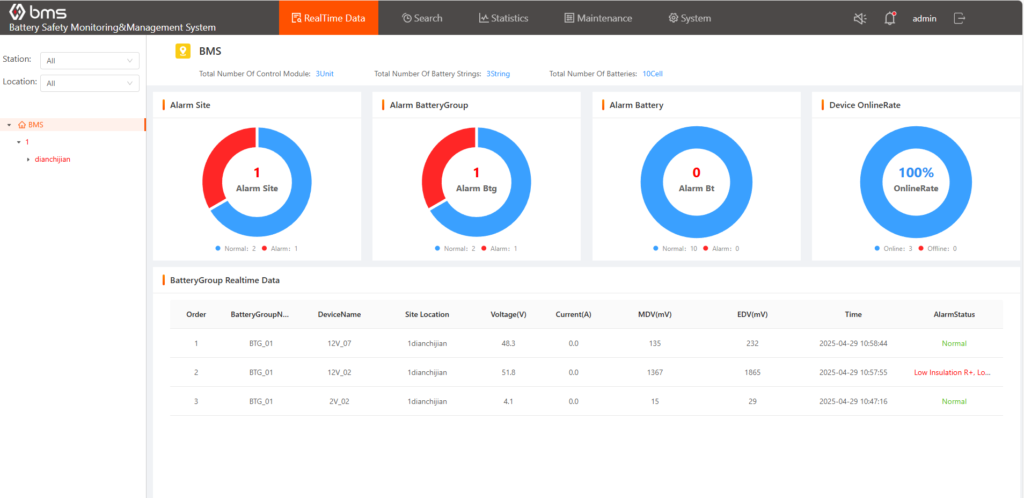
Apply a demo of Gerchamp’s Cloud Platform
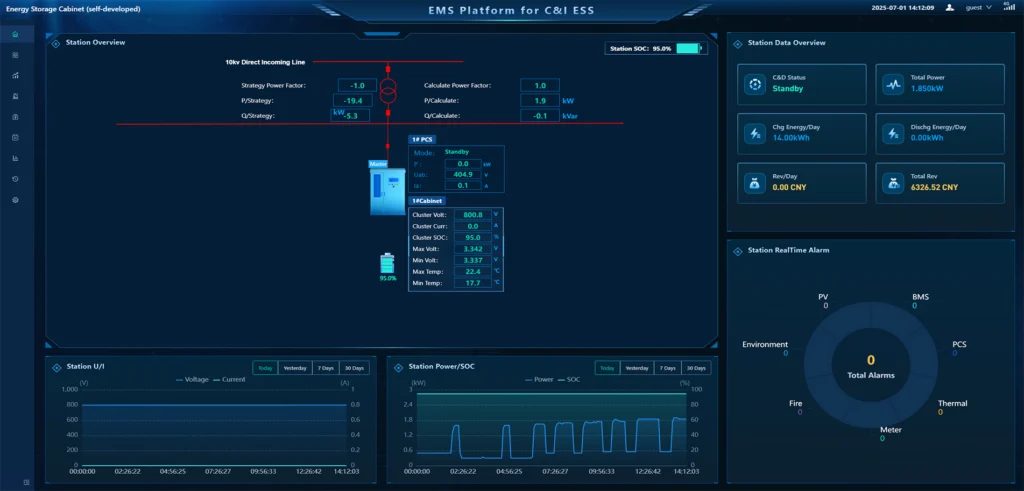
Apply a demo of Gerchamp’s Cloud Platform
 Gerchamp