How Much Does it Cost to Build a Data Center?
Data center construction is a highly complex and capital-intensive field. With the explosive growth in computing power demand, how to rapidly and safely expand data center capacity without losing control of costs has become a focal point for the industry.
Generally speaking, the cost of building a data center ranges from $600 to $1,100 per square foot, or $7 million to $12 million per megawatt of IT load. For example, constructing a 700,000-square-foot, 60-megawatt data center in Northern Virginia, USA, can cost as much as $420 million to $770 million.
However, the cost challenges are not limited to the construction phase. Electricity costs during the operational phase, grid upgrade expenses during expansion, and potential losses from fire risksare also key factors affecting the long-term return on investment for data centers.
Nickel-Zinc Batteries: Higher Energy Density in a Smaller Space
Gerchamp is set to launch an integrated nickel-zinc solution, expanding from single cells to a system with embedded Battery Management System (BMS), specifically designed for data centers and critical infrastructure. This new product will make its debut at the Frankfurt DCW exhibition in May this year.
Traditional data centers often use lead-acid batteries as backup power, but these are bulky, heavy, have low energy density, and pose a risk of thermal runaway. In comparison, nickel-zinc batteries offer the following significant advantages:
Higher Energy Density: With 1/2 to 1/3 the volume and weight, they deliver 2 to 4 times the energy, significantly reducing the battery room footprint and thereby lowering building space costs.
Intrinsically Safe, No Thermal Runaway Risk: Nickel-zinc batteries do not experience thermal runaway, greatly reducing fire hazards. This, in turn, lowers the investment and maintenance costs associated with data center fire protection systems.
This means that data centers using nickel-zinc batteries can not only save on space and land costs during the building shell phase but also achieve structural cost reductions in fire protection and safety systems.
Extended service life: Traditional lead-acid batteries require replacement every 3-5 years, whereas nickel-zinc batteries have a service life exceeding ten years. The reduced replacement frequency actively lowers total procurement costs. Additionally, the excellent stability of nickel-zinc batteries simplifies maintenance procedures during operation, further reducing labor costs. In terms of reliability, the failure of a single battery does not affect the overall system, and it will not cause power outages or large-scale losses due to individual battery issues, that is something lead-acid batteries cannot achieve.
Sustainable Development: Gerchamp’s nickel-zinc batteries achieve a recycling rate exceeding 90% without containing toxic substances or heavy metals. When nickel-zinc batteries reach the end of their lifespan, the readily accessible recycling pathways eliminate operators’ final concerns.
Commercial and Industrial (C&I) Energy Storage Cabinets: Peak Shaving and Valley Filling, Delaying Grid Upgrade Investments
As data center loads continue to rise, the traditional approach is to upgrade grid-side infrastructure. However, this is often costly and involves long lead times. The emergence of C&I energy storage cabinets offers a more flexible and economical solution:
This “storage-first” strategy is becoming the preferred path for more and more data center operators.
Comprehensive Advantages: Optimizing TCO from Construction to Operation
Cost control for data centers is no longer merely a matter of construction; it is a systemic project involving energy, safety, space, and power infrastructure. Nickel-zinc batteries and C&I energy storage cabinets together provide an efficient, safe, and economical optimization path for this complex system.
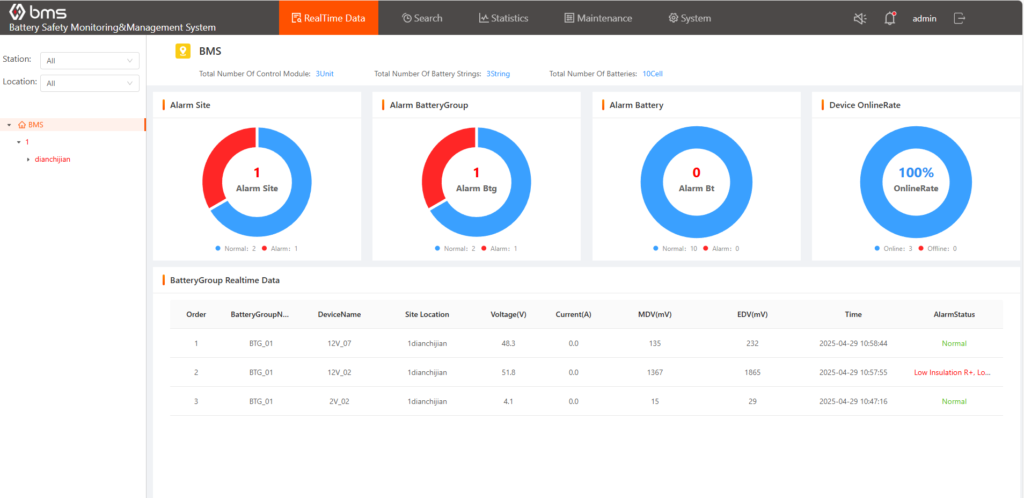
Apply a demo of Gerchamp’s Cloud Platform
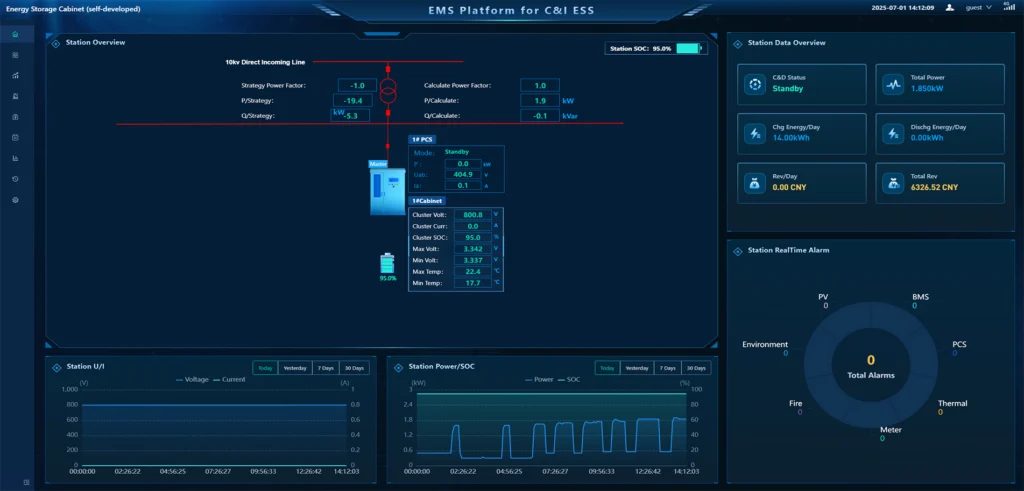
Apply a demo of Gerchamp’s Cloud Platform
 Gerchamp