2025 marks a significant milestone for Gerchamp as we proudly celebrated our 20th anniversary. From humble beginnings, Gerchamp has grown into a trusted leader in the BMS field, earning a reputation for excellence and innovation. On 15th January, a grand celebration themed on “New Platform, New Future” brought together employees, partners, and stakeholders to honor two decades of achievements. This memorable event offered an opportunity to reflect on our journey, celebrate successes, and express heartfelt gratitude to everyone who made it possible.

“New Platform, New Future”: A Grand Opening for the 20th Anniversary
The anniversary celebration was filled with remarkable moments. Chairman Frank Yang delivered a heartfelt and inspiring address, reflecting on Gerchamp’s extraordinary progress and acknowledging the invaluable support of employees, customers, and partners.
Highlighting the company’s achievements, Chairman Yang noted that Gerchamp is at the best stage in its 20-year journey, leveraging its listed platform, robust financial resources, and exceptional team. Looking ahead, the company is committed to providing comprehensive solutions for the AI cloud computing and renewable energy industries, with the goal of becoming a key player in these sectors. To support this vision, the company plans to drive growth through acquisitions of high-quality assets and expand its presence in overseas markets to enhance product competitiveness. With these strategic initiatives, Gerchamp is poised for substantial growth and market expansion over the next three years.

Leadership Address: Vision for the Future
A key highlight of the evening was the awards ceremony, where outstanding employees were recognized for their contributions, dedication, and innovation. The event’s festive atmosphere was further energized by thrilling raffle draws, offering attendees the chance to win exciting prizes and adding to the celebratory spirit.

Annual Award Ceremony for Excellent Team

Celebrating with Laughter and Cheers
As Gerchamp enters its third decade, we remain dedicated to driving innovation, enhancing customer experiences, and expanding our impact in the industry. The journey thus far stands as a testament to the strength of collaboration, resilience, and the shared pursuit of excellence.
Here’s to continued teamwork, growth, and a future full of opportunities!
Stay connected for more updates and initiatives as Gerchamp embarks on this exciting new chapter.
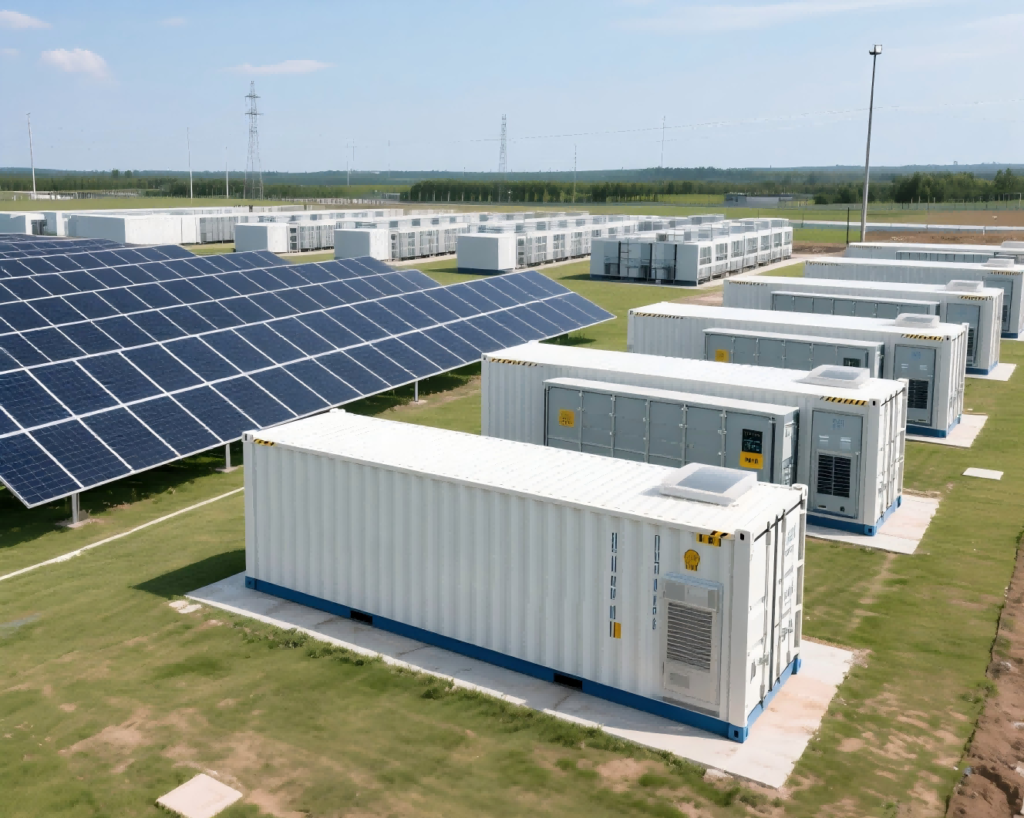
Root Causes of the Crisis: Soaring Power Demand and Aging Grid
In recent years, U.S. residential electricity prices have continued to climb. In 2024, the median residential rate reached 17.47 cents per kWh, with some states experiencing increases exceeding 30%. Two primary factors contribute to this situation. First, natural gas accounts for 43% of the U.S. electricity generation, and fluctuations in natural gas prices are directly reflected in retail electricity prices, resulting in unstable electricity prices. Second, the power grid infrastructure is severely aging—about 70% of transmission lines have been in operation for over 25 years—hindering the system’s ability to meet rising demand and to efficiently integrate clean energy sources such as solar and wind.
Great Potential for Solar Power, but Numerous Obstacles
Despite the power crisis, the U.S. solar PV industry holds tremendous potential for development. From a cost perspective, the U.S. photovoltaic power costs have fallen significantly to 30-40 USD/MWh, even as low as 25 USD/MWh in areas with sufficient light, which makes it economically competitive compared to traditional energy sources. Moreover, solar PV projects have relatively short construction cycles, enabling rapid deployment to mitigate supply-demand tensions.
However, the development of U.S. solar PV faces several challenges. Policy uncertainties and regulatory changes—such as revised approval processes—have created hurdles for project implementation. Supply chain disruptions also constrain growth. Moreover, land use policies limit large-scale solar deployment; some regions oppose installing solar farms on productive farmland, further complicating expansion efforts.
Strategic value and irreplaceability of energy storage
In contrast to the obstacles facing solar PV, energy storage is emerging as an integral part of the U.S. power system. By the end of 2024, the installed capacity of electrochemical energy storage in the US will have exceeded 20GW/50GWh, with an annual growth rate of more than 30%. The rapid development of energy storage is attributed to its irreplaceable practical value:
– Essential Need for Grid Peak Shaving: Energy storage provides millisecond-level response, alleviating the intermittency issues of solar and wind power and compensating for the aging grid’s limited regulation capabilities.
– Support for High-End Manufacturing: Industries such as semiconductor factories require stable voltage and a 24/7 uninterrupted power supply. Energy storage combined with renewable energy in off-grid models can bypass transmission bottlenecks and directly supply power.
– Cost Competitiveness: The levelized cost of electricity of integrated solar PV and storage systems in the U.S. has dropped to 60-90 USD/MWh, close to that of new natural gas power plants (50-80 USD/MWh) and significantly lower than coal power (80-120 USD/MWh).
– Faster Deployment: Solar-storage power plants can be grid-connected within one year, compared to 4-6 years for natural gas plants.
To resolve the U.S. power crisis, it is crucial to promote the synergistic development of innovative energy technologies like solar PV and energy storage. While the solar industry holds tremendous potential, it currently faces policy, land, and supply chain hurdles. Meanwhile, energy storage technology is playing an increasingly important role in the power system due to its advantages in grid regulation, support for high-end manufacturing, cost-effectiveness, and shorter construction cycles. How the U.S. power market balances these factors to promote the healthy development of the solar and storage industries—and thereby alleviate the power crisis—will be worth watching closely in the future.
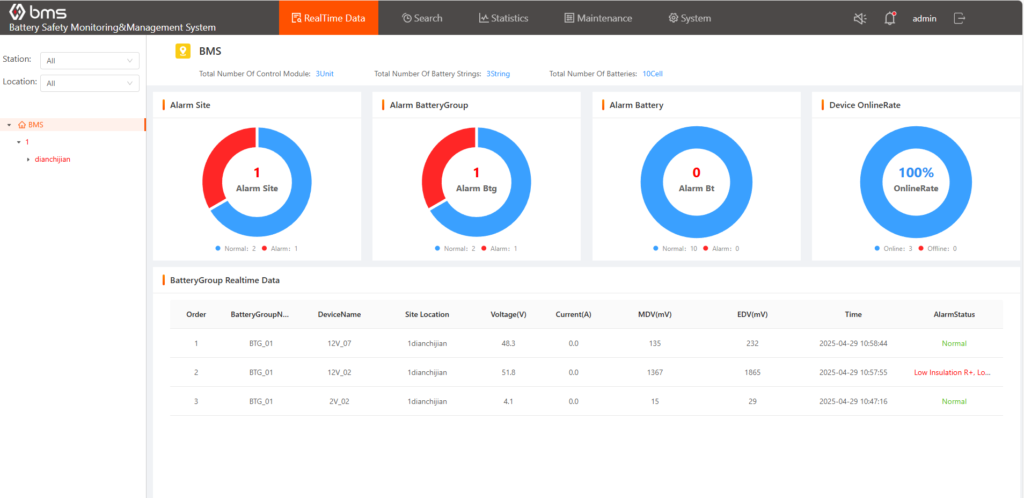
Apply a demo of Gerchamp’s Cloud Platform
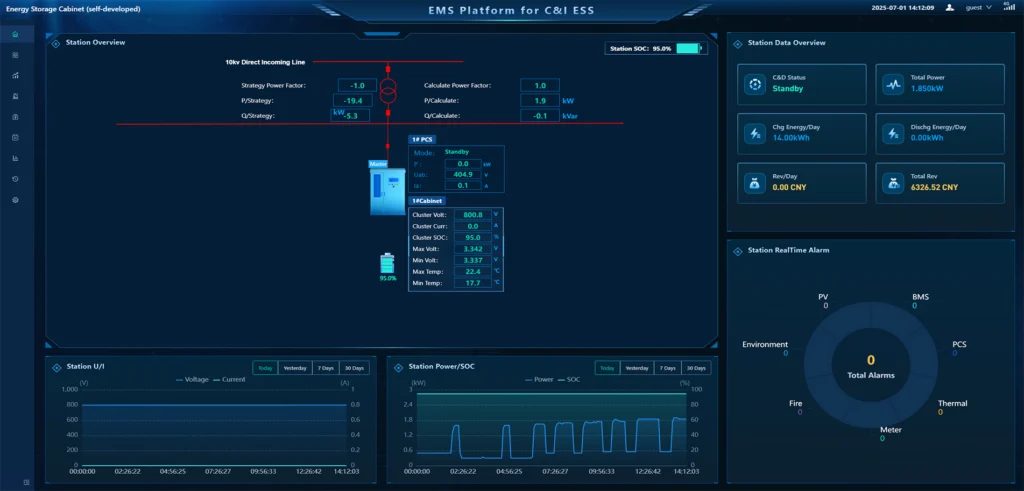
Apply a demo of Gerchamp’s Cloud Platform
 Gerchamp