UPS battery leakage is not an isolated incident; it is usually an inevitable result of long-term degradation of the electrolyte in lead-acid batteries-whether it is due to long-term overcharge, thermal runaway, or simply structural fatigue caused by physical aging. Once a leak is found, action must be taken immediately, otherwise it will not only endanger the safety of on-site personnel, but also directly threaten the integrity of the core infrastructure.
When a leak is found, be sure to perform the following procedures:
First, isolation: the physical connection between the faulty battery pack and the UPS load must be immediately disconnected, cutting off the DC current.
Second, neutralization: Gloves, acid-proof apron and goggles are indispensable.
Next, neutralize the acid: Use a sodium bicarbonate (baking soda) solution to neutralize leaked lead-acid electrolyte (sulfuric acid), which is the key to prevent further corrosion of metal brackets and cabinets, otherwise it may cause chain structural damage.
Crucially, avoid looking directly at the leaking unit during the cleanup process. It is mandatory to thoroughly check the entire cabinet. Any damaged unit must be replaced immediately, as the reliability of the entire DC bus system will be compromised once the terminals corrode or start releasing hydrogen.
In order to do a good job of operation and maintenance, we must realize that the chemical life of lead-acid batteries is limited, and its failure mode is usually predictable:
Chronic Overcharge: Excessive float voltage will make the electrolyte exceed its composite capacity, and the internal pressure will soar, eventually causing acid mist to spray from the safety valve.
Thermal runaway: Excessive heat from an internal short circuit can exacerbate the current flow, creating a dangerous feedback loop that can lead to direct collapse of the enclosure in severe cases.
Physical aging: Over time, the plastic shell becomes brittle. Once the effect of internal pressure is superimposed, the appearance of microcracks becomes a matter of time.
Leakage is often only the “symptom” of systemic problems within the battery pack. In my opinion, the failure of a single battery is the “distress signal” issued by the entire battery pack. Be sure to check whether there is sulfation phenomenon: the white crystal deposition on the terminal or plate is the hard evidence of insufficient charging or improper maintenance, which is usually the precursor of the complete scrapping of the unit.
In this regard, I have a few optimization suggestions:
The float voltage must be calibrated. Ensure that the charger settings strictly abide by the manufacturer’s parameters and dynamically adjust in time according to changes in ambient temperature.
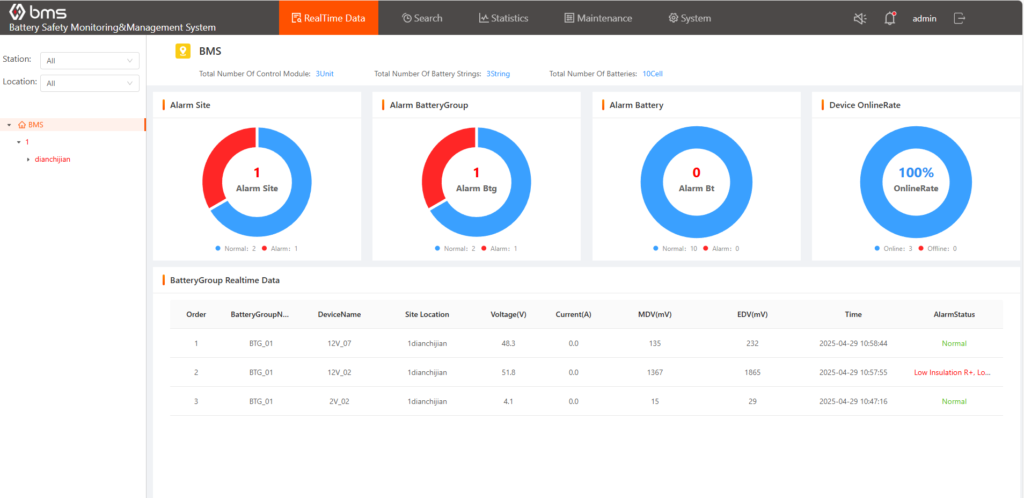
In addition, embrace digital monitoring. The frequency of manual inspection is too low and it is easy to miss details. The introduction of high-precision battery management system (BMS) to realize real-time monitoring of voltage, internal resistance and temperature is the right way. By intercepting abnormal conditions (such as uneven float voltage or temperature spikes) before they develop into leaks, you can turn expensive emergency repairs into controllable, data-based preventive maintenance.
In summary, a leaking lead-acid battery is not just a component scrap, it is a provocation to the entire backup power architecture. By integrating automated monitoring and strict on-site inspections, you can eliminate hidden dangers from the source. In the power security business, preventive strategies are often the most cost-effective investments.
Author : Caleb
I am the BMS Project Manager at Gerchamp. With nine years of experience in the electrical and battery industries, I specialize in critical data center power solutions. I have led teams in executing large-scale BMS installations for major domestic and international clients, including Alibaba, ensuring the safe integration and precise management of advanced battery power systems.
Apply a demo of Gerchamp’s Cloud Platform
Apply a demo of Gerchamp’s Cloud Platform
 Gerchamp