The substation serves as the central nerve of the power system, and the backup battery pack is the last “safety card” in this system. Once the AC power supply fails, if these backup batteries fall off the chain, the circuit breaker cannot operate, the protection relay will be paralyzed instantly, and the whole substation will face a catastrophic power loss. Therefore, it is absolutely necessary to provide a reliable battery monitoring system (BMS) for the substation. At present, what the industry pays attention to is to build a set of “digital immune system” for the core facilities of the power grid, from passive maintenance to active early warning, which is the optimal approach the continuous supply of electricity.
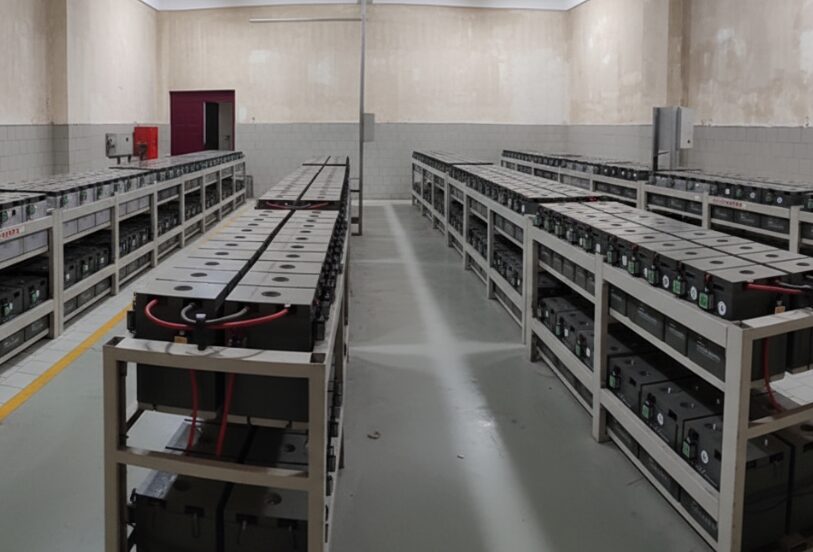
Simply put, this is the automated system installed in a substation that can track the state of health (SOH) and state of charge (SOC) of the backup battery pack in real time 24/7. Whether you are using traditional lead-acid batteries, high-performance lithium batteries, or any other battery chemistry, a high-quality BMS can achieve unified management. A standard system has a straightforward structure: the sensor is responsible for attaching to the single battery, and then through the gateway to the central control platform, the logic is very clear.
In order to make the power supply more reliable, BMS mainly relies on monitoring the following core parameters to achieve “predict the future”:
When the data are collected, the key is how to use it.
In the past, when we did maintenance, we had to carry portable testers all over the world. Although it is no problem to manually measure once on a regular basis, the “vacuum period” between two inspections is a huge hidden danger.
Substation battery monitoring is no longer an “optional configuration”, but a core investment to improve grid reliability. Switch maintenance mode to predictive automatic management to ensure safety in the event of an accident. Gerchamp has been working in these areas for 20 years and have served thousands of customers in more than 50 countries around the world. If your business needs a safer and smarter power protection solution, please contact us. After all, installing a “digital brain” on power equipment is the first step towards intelligent operation and maintenance.
Author: Kevin
I am a Senior Engineer at Gerchamp’s BMS R&D Department with over 12 years of industry experience. I specialize in leading the architecture design and core algorithm development for our advanced Battery Management Systems.
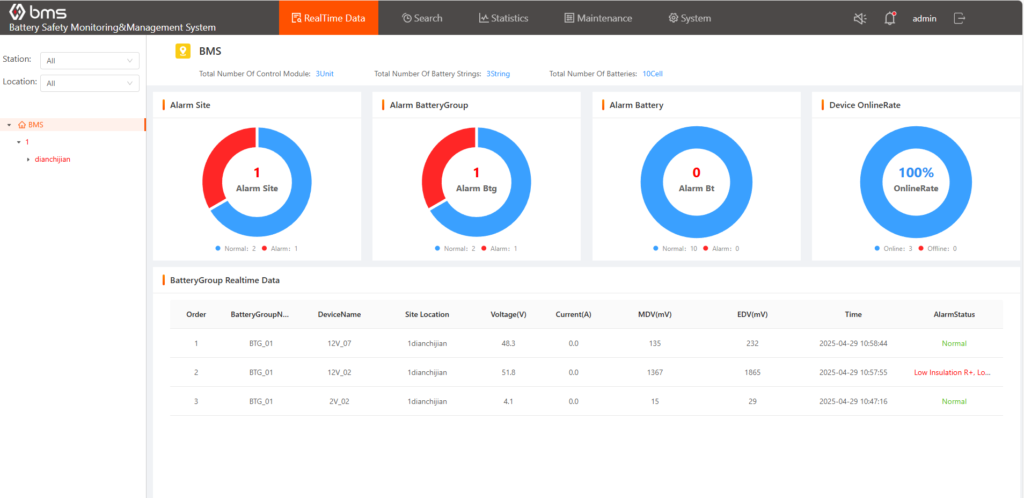
Apply a demo of Gerchamp’s Cloud Platform
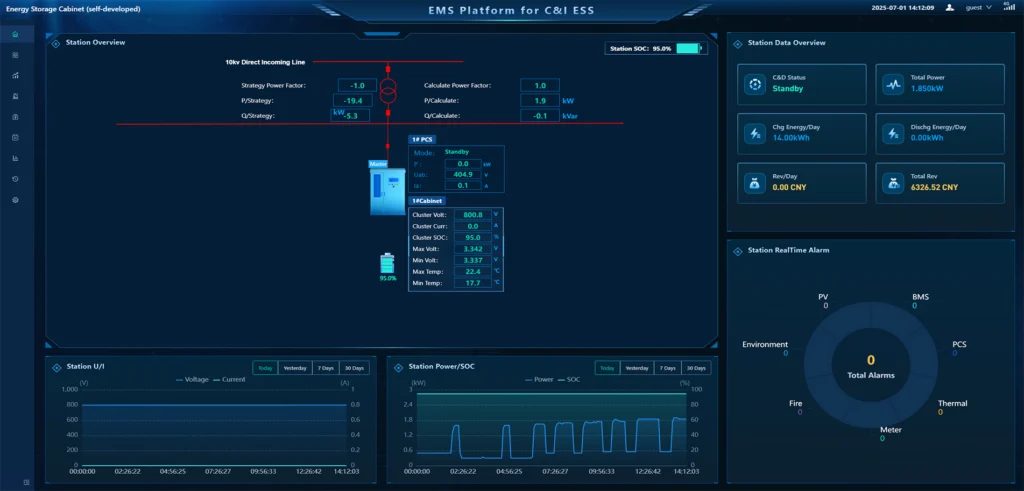
Apply a demo of Gerchamp’s Cloud Platform
 Gerchamp