Gerchamp Stationary Energy Storage Systems integrates high-performance lithium iron phosphate batteries and advanced conversion technology, and provides high-efficiency, long-life power grid dispatching and backup power solutions for utilities and large and medium-sized industries and businesses through modular design, with direct source supply.
Nominal capacity
215kWh
System efficiency
90% or more
Protection level
IP54
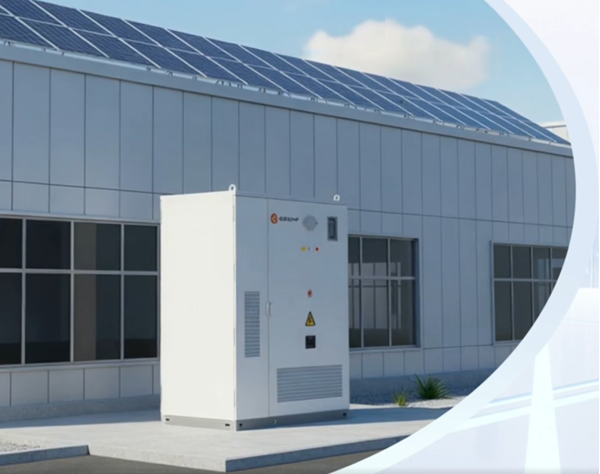
suitable for peak regulation and frequency regulation of the power grid and relief of transmission and distribution congestion, helping power companies to provide immediate support during peak power load periods and enhance the overall flexibility and stability of the power grid.
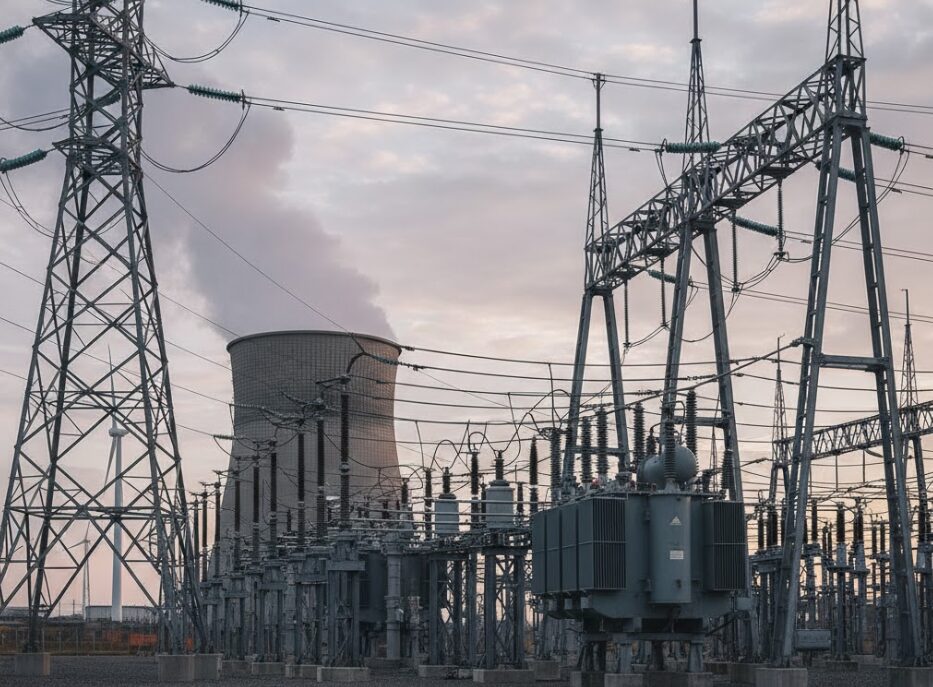
suitable for photovoltaic and wind farms, to solve the volatility and intermittent problems of new energy power generation, through the smooth output curve to improve the proportion of green power grid and the ability to consume.
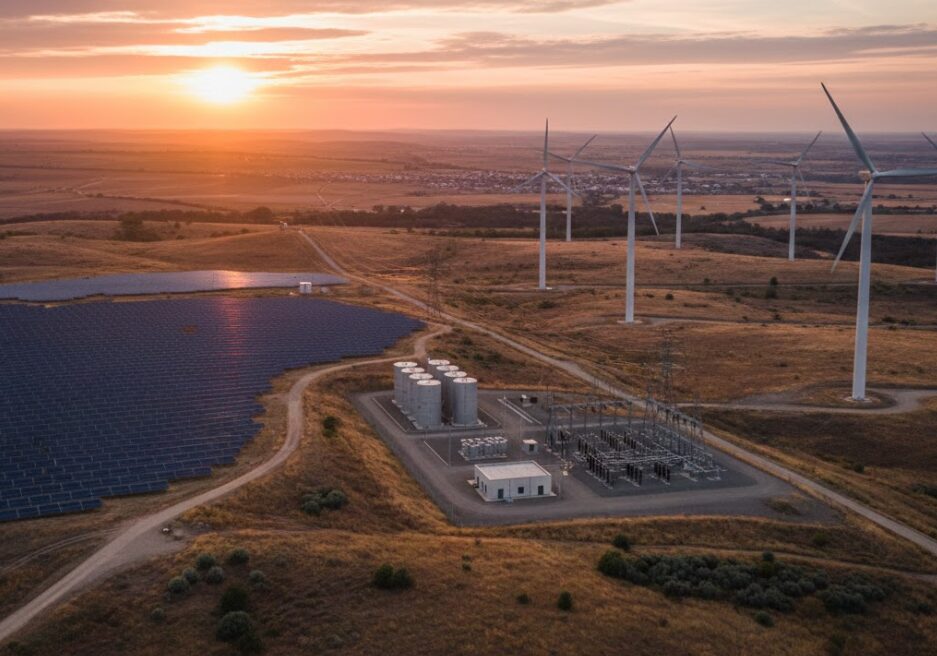
suitable for high-energy manufacturing plants or data centers, reduce peak electricity costs by implementing peak-cutting and valley-filling strategies, and serve as an uninterruptible backup power supply to ensure that the core production line does not stop production.

suitable for remote areas or off-grid systems, cooperate with distributed energy to form an independent power supply network, and solve the problems of difficult access to electricity, unstable voltage and dependence on diesel generators in remote areas.
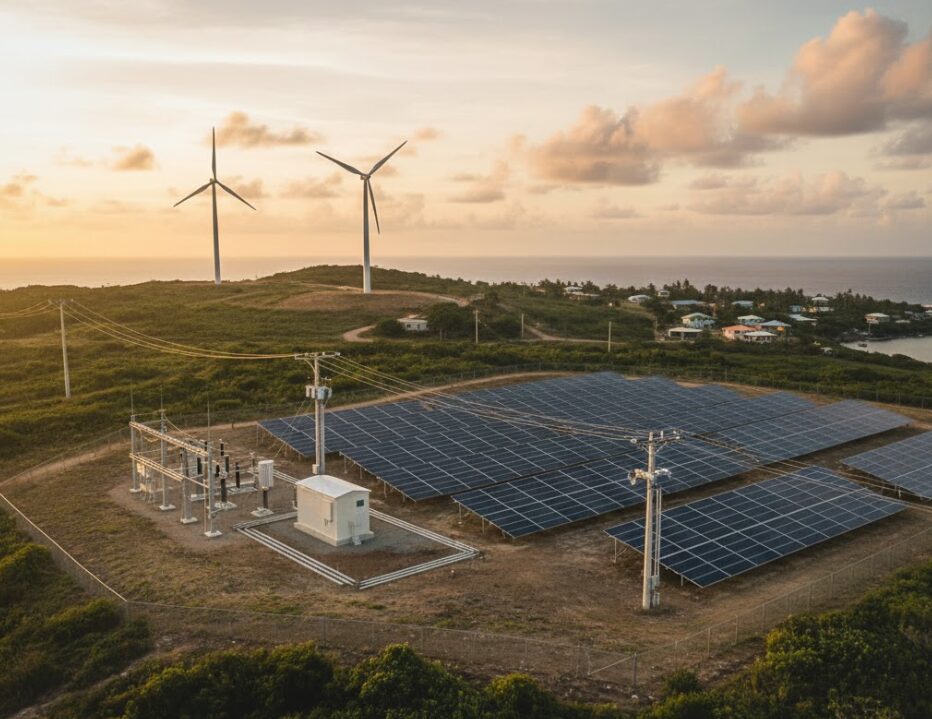

the use of high-specification A- class cells, in the standard operating conditions of more than 6000 cycles, to provide investors with long-term reliable cash flow returns.
The system deeply integrates energy storage batteries, battery management systems (BMS), power conversion systems (PCS), energy management systems (EMS) and fire protection systems, reducing footprint and significantly reducing internal cable wiring compared to traditional solutions.
built-in three-level battery management system and aerosol fire protection mode, to achieve real-time monitoring of voltage and temperature, once the risk of thermal runaway is detected, the circuit can be disconnected in milliseconds to ensure asset safety.
The bidirectional conversion efficiency of the power conversion system is as high as 98.5%, which effectively reduces the energy loss during the conversion process, greatly improves the energy utilization efficiency and shortens the investment recovery period of the project.
with IP54 industrial protection grade, it supports stable operation at extreme ambient temperatures of minus 20 degrees to 50 degrees, and can keep the internal core components from being eroded even in high humidity and high salt fog areas.
Equipped with EMS intelligent platform, it supports remote monitoring and millisecond grid response, and can dynamically implement peak-cutting and valley-filling strategies according to electricity prices to maximize energy benefits.
| Parameter categories | Specifications and parameters | Technical indicators |
| Battery Specifications | Battery Type | Lithium iron phosphate (LiFePO4) |
| Single cell capacity | 3.2V / 280Ah | |
| Electrical parameter | Nominal charging / discharging power | <0.62P |
| Communication protocols | CAN, TCP, RS485, 4G | |
| physical properties | Weight | <3000kg |
| Dimension (W*H*D) | 1630mm*2200mm*1300mm | |
| Temperature control method | Air-cooling | |
| noise level | ≤75dB | |
| Fire suppression system | Aerosol, water fire suppression system, composite detector, sound alarms, explosion venting,and accident ventilation | |
| Operating environment | Operating temperature | -20°C~50°C (derating above 45°C) |
| Operating humidity | 0-95% (non-condensing) |
Gerchamp fixed energy storage system performs well in terms of energy density. It provides more power reserves than the industry average under the same volume. At the same time, the Gerchamp provides a system with extremely high response flexibility and the ability to achieve millisecond power compensation according to grid frequency fluctuations, which has a core competitive advantage in utility-level FM applications.
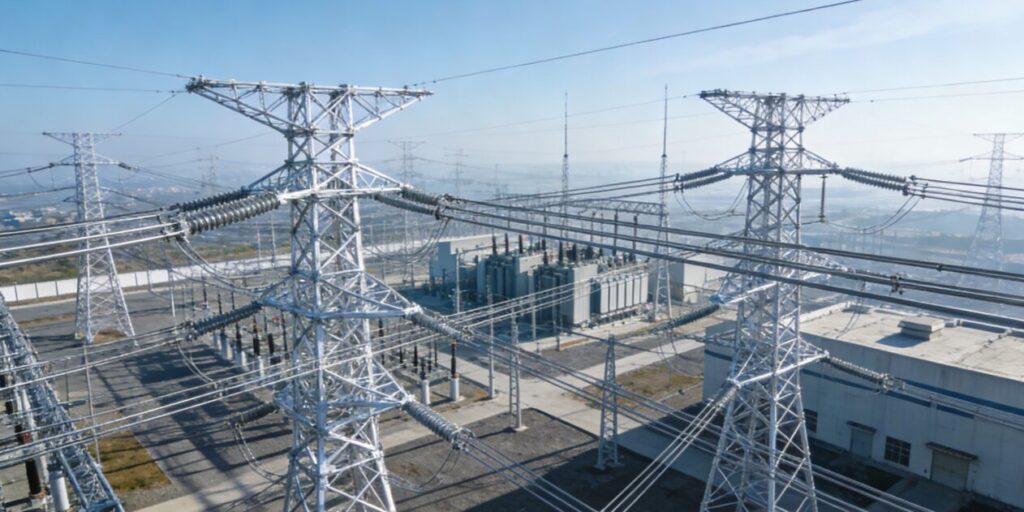

Gerchamp fixed energy storage system adopts low internal resistance connection technology, which greatly reduces the internal consumption of the system and solves the low operating efficiency caused by power loss in energy conversion of traditional energy storage power stations.
Gerchamp Stationary Energy Storage Systems integrates high-performance lithium iron phosphate batteries and advanced conversion technology, and provides high-efficiency, long-life power grid dispatching and backup power solutions for utilities and large and medium-sized industries and businesses through modular design, with direct source supply.
215kWh
Nominal capacity
90% or more
System efficiency
IP54
Protection level
the use of high-specification A- class cells, in the standard operating conditions of more than 6000 cycles, to provide investors with long-term reliable cash flow returns.
The system deeply integrates energy storage batteries, battery management systems (BMS), power conversion systems (PCS), energy management systems (EMS) and fire protection systems, reducing footprint and significantly reducing internal cable wiring compared to traditional solutions.
built-in three-level battery management system and aerosol fire protection mode, to achieve real-time monitoring of voltage and temperature, once the risk of thermal runaway is detected, the circuit can be disconnected in milliseconds to ensure asset safety.
The bidirectional conversion efficiency of the power conversion system is as high as 98.5%, which effectively reduces the energy loss during the conversion process, greatly improves the energy utilization efficiency and shortens the investment recovery period of the project.
with IP54 industrial protection grade, it supports stable operation at extreme ambient temperatures of minus 20 degrees to 50 degrees, and can keep the internal core components from being eroded even in high humidity and high salt fog areas.
Equipped with EMS intelligent platform, it supports remote monitoring and millisecond grid response, and can dynamically implement peak-cutting and valley-filling strategies according to electricity prices to maximize energy benefits.
| Parameter categories | Specifications and parameters | Technical indicators |
| Battery Specifications | Battery Type | Lithium iron phosphate (LiFePO4) |
| Single cell capacity | 3.2V / 280Ah | |
| Electrical parameter | Nominal charging / discharging power | <0.62P |
| Communication protocols | CAN, TCP, RS485, 4G | |
| physical properties | Weight | <3000kg |
| Dimension (W*H*D) | 1630mm*2200mm*1300mm | |
| Temperature control method | Air-cooling | |
| noise level | ≤75dB | |
| Fire suppression system | Aerosol, water fire suppression system, composite detector, sound alarms, explosion venting,and accident ventilation | |
| Operating environment | Operating temperature | -20°C~50°C (derating above 45°C) |
| Operating humidity | 0-95% (non-condensing) |
suitable for peak regulation and frequency regulation of the power grid and relief of transmission and distribution congestion, helping power companies to provide immediate support during peak power load periods and enhance the overall flexibility and stability of the power grid.
suitable for photovoltaic and wind farms, to solve the volatility and intermittent problems of new energy power generation, through the smooth output curve to improve the proportion of green power grid and the ability to consume.
suitable for high-energy manufacturing plants or data centers, reduce peak electricity costs by implementing peak-cutting and valley-filling strategies, and serve as an uninterruptible backup power supply to ensure that the core production line does not stop production.
suitable for remote areas or off-grid systems, cooperate with distributed energy to form an independent power supply network, and solve the problems of difficult access to electricity, unstable voltage and dependence on diesel generators in remote areas.
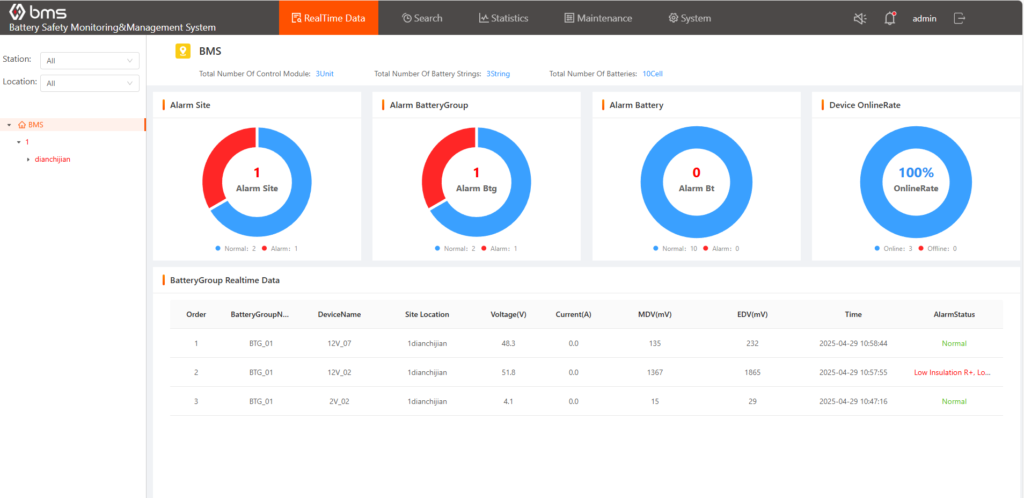
Apply a demo of Gerchamp’s Cloud Platform
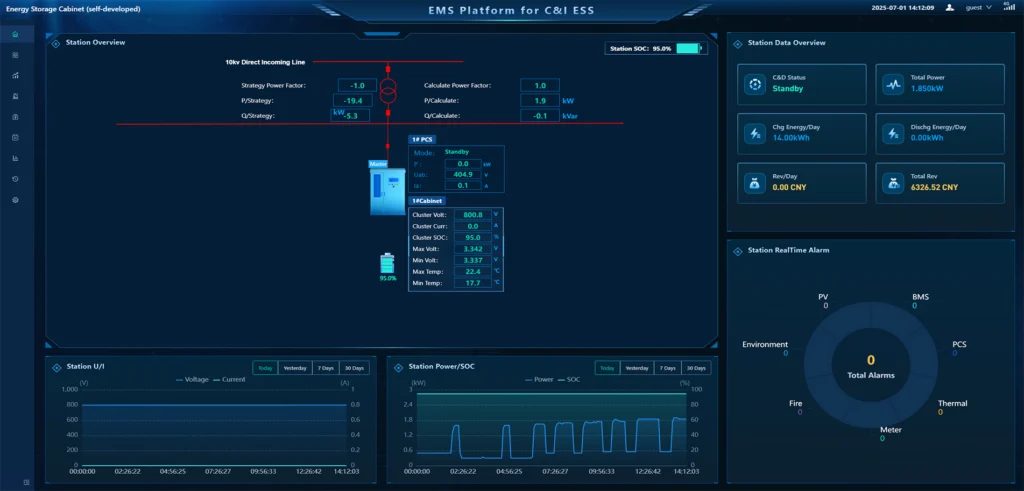
Apply a demo of Gerchamp’s Cloud Platform
 Gerchamp