Industry Trend
With the accelerated global electrification process and the rapid expansion of high-energy-consuming infrastructure for commercial and industrial workloads, global electricity consumption is projected to increase 2-3 times in the coming decades, with electricity becoming the largest component of energy demand.
Challenges of Power Grid Reliability
This growth is not without consequence. The North American Electric Reliability Corporation (NERC) and industry assessments indicate that the pace at which large electrical loads are being added is outstripping the development of grid generation and transmission infrastructure, heightening concerns about system reliability and planning uncertainty.
Moreover, extreme weather events — such as heatwaves, wildfires, droughts, and winter freezes — are becoming more frequent and intense, increasing the frequency and severity of grid outages and further challenging reliable power delivery for critical facilities worldwide.
Practical operational challenges
Industry data also shows that grid constraints and interconnection delays have become the top obstacle for many infrastructure projects, with a majority of operators reporting multi-year wait times for grid connections — a situation that complicates expansion and operational continuity.
Beyond long-term growth trends, many commercial and industrial (C&I) users also face short-term operational challenges that make energy management more complex than simply “plugging in” to the grid.
For example, energy demand in many industries is highly seasonal — driven by production cycles, peak seasons, or changing weather patterns. In peak periods, actual electricity usage can exceed the amount originally reported to utilities or grid operators, creating capacity constraints, supply curtailments, or even additional fees for exceeding contracted demand. These fluctuations can put unexpected pressure on grid-sourced power, especially when local generation and distribution infrastructure isn’t sized for sudden or temporary spikes.
Root Cause: Lack of Energy Resilience
At the root of these challenges lies a broader and more structural issue: a lack of energy resilience.
Traditional power systems were largely designed around predictable demand patterns and centralized generation models. However, today’s operating environment is defined by rapidly changing load profiles, increasing electrification, and higher expectations for uptime across critical business operations. While grid reliability remains essential, resilience goes beyond avoiding outages — it reflects an organization’s ability to anticipate, withstand, and adapt to disruptions, variability, and demand volatility without compromising operations.
For many enterprises, energy strategies have historically focused on efficiency and cost optimization under normal conditions, rather than on flexibility and continuity under stress. As a result, when faced with seasonal demand swings, unexpected load increases, or grid constraints, businesses often lack the mechanisms to respond dynamically. This gap exposes operations to both operational risk and strategic limitations, particularly as power availability becomes a more critical input to competitiveness and growth.
Taken together, these factors — seasonality, peak demand spikes, and fixed grid capacity constraints — increase the complexity and unpredictability of relying solely on central power supply, pushing more enterprises to consider on-site energy strategies that can absorb demand swings and provide greater control over critical operations.
We will publish a follow-up post on the 22th of this month, exploring practical approaches to addressing these challenges. Stay tuned.
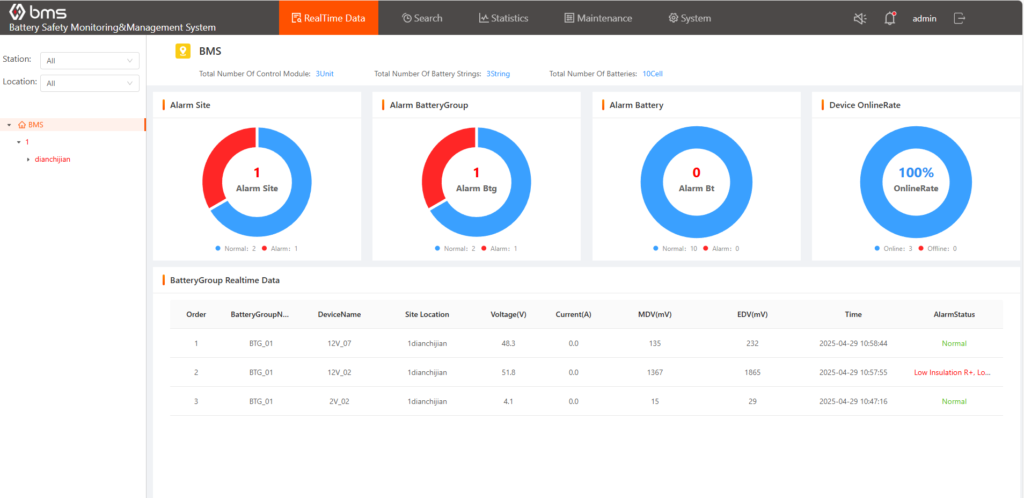
Apply a demo of Gerchamp’s Cloud Platform
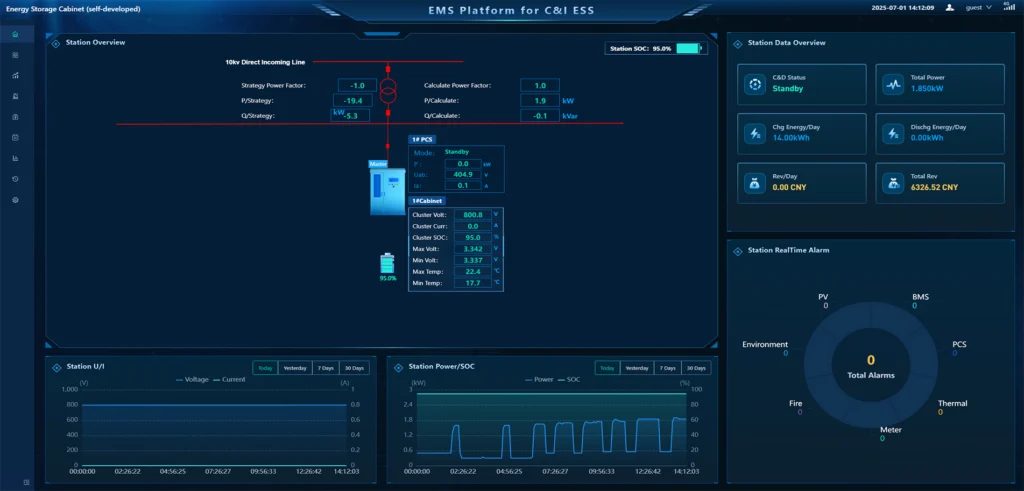
Apply a demo of Gerchamp’s Cloud Platform
 Gerchamp