Nickel zinc battery technology is a complex electrochemical solution, in the field of key power supply, it features high power density and inherent safety. From the perspective of the technical core, nickel-zinc batteries use nickel-based positive electrodes and zinc-based negative electrodes, combined with non-flammable aqueous alkaline electrolytes. It can support extremely high discharge rates while maintaining excellent thermal stability. This is crucial because its chemical properties make it fundamentally non-combustible, with no risk of thermal runaway. For mission-critical infrastructure that requires tight space and instant fail-safe power, this technology provides a very reliable energy storage base.
The engineering design of these nickel-zinc batteries strikes a vital balance between high power output and system stability. Supporting a high discharge rate means the battery can handle substantial power demands in very short bursts without exhibiting the “voltage sag” phenomenon common in traditional batteries. Even standard modules are capable of providing strong maximum discharge currents. This capability ensures that critical systems receive immediate, consistent power support in the event of a grid failure, significantly outperforming older solutions that tend to falter under heavy loads.
This kind of structure can save a lot of space and weight, which is a crucial solution for data centers where space is at a premium. Compared with lead-acid batteries of the same capacity, nickel-zinc technology has reduced the volume and the weight. So facility managers can pack more power in the same footprint (or achieve the same power in a smaller space). This gives us great operational flexibility when optimizing the server racks and backup rooms.
Due to the use of aqueous alkaline electrolyte, it is not only non-flammable, but also has no risk of explosion or fire when passing extreme safety tests. This “intrinsically safe and reliable” feature directly eliminates the complex and expensive fire suppression systems typically required for lithium-ion battery solutions. In addition, the environmental resilience of this technology is very strong. Whether it was the frozen base station in the remote area, or the sweltering industrial environment, it can maintain efficient operation.
In addition to the performance of key technical specifications, nickel zinc battery technology is also very consistent with the current trend of sustainable development. The materials it uses are environmentally friendly and the recycling rate is extremely high-more than 90%. Unlike lead-acid or cadmium-based batteries, which contain toxic heavy metals, nickel-zinc technology uses non-polluting materials. This is an ideal choice for companies that want to reduce their carbon footprint while complying with green energy standards, while not sacrificing the reliability of energy storage.
Author : Caleb
I am the BMS Project Manager at Gerchamp. With nine years of experience in the electrical and battery industries, I specialize in critical data center power solutions. I have led teams in executing large-scale BMS installations for major domestic and international clients, including Alibaba, ensuring the safe integration and precise management of advanced battery power systems.
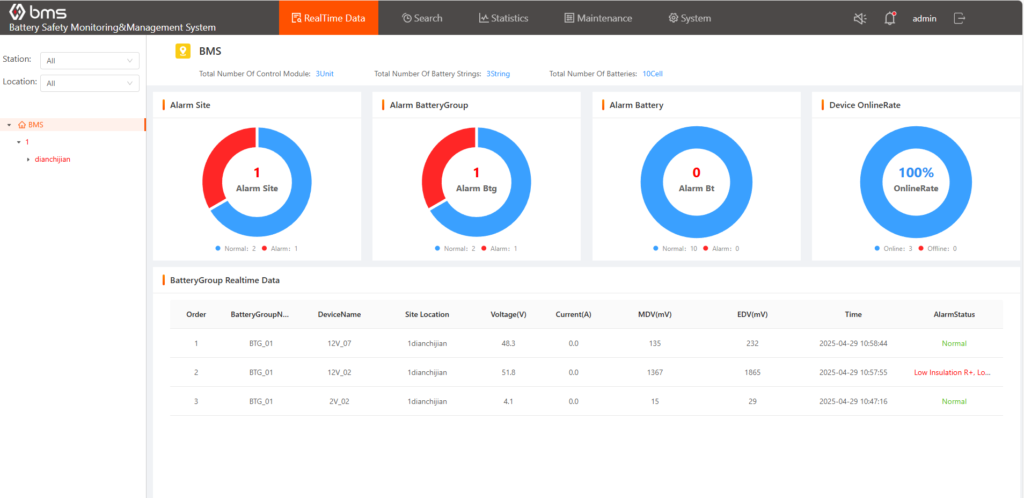
Apply a demo of Gerchamp’s Cloud Platform
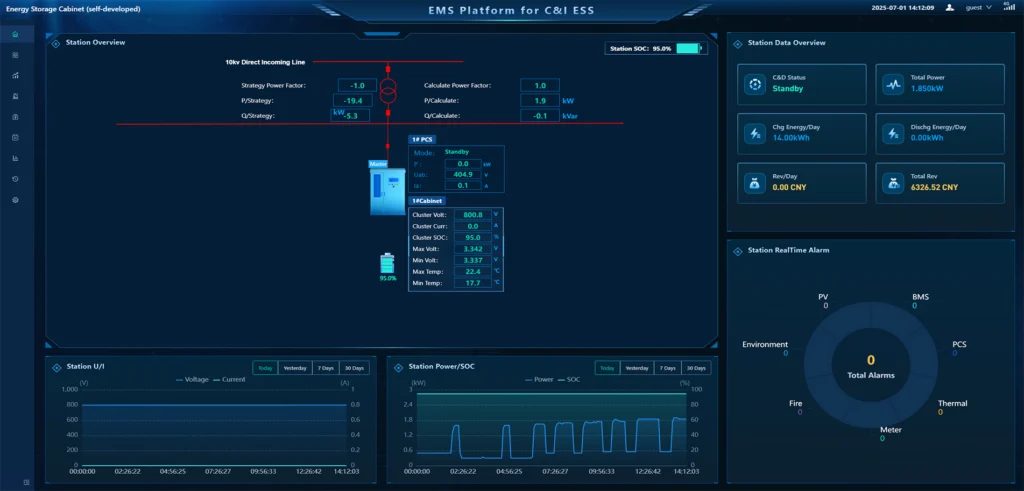
Apply a demo of Gerchamp’s Cloud Platform
 Gerchamp