The latest industry analysis indicates that the global oil and gas backup power system market is poised for explosive growth in the coming years. As the world’s most critical hub for oil and gas production and processing (encompassing countries like Saudi Arabia, the UAE, Kuwait, and Qatar), the Middle East has stringent requirements for power supply stability. Together with Africa, the region is projected to account for approximately 36% of the global market share. Currently, the oil and gas industry is not only expanding production capacity but also undergoing structural transformations.
National energy strategies across countries such as Saudi Arabia and United Arab Emirates increasingly emphasize:
In this evolving environment, safety is no longer reactive. It is systemically engineered.
The Overlooked Risk: Auxiliary Power Infrastructure
Much attention is placed on process equipment, pipelines, and pressure systems. Yet battery-backed systems — supporting UPS units, emergency shutdown systems (ESD), telecom infrastructure, and control networks — are equally mission-critical.
These systems operate inside classified hazardous zones where explosive gases may be intermittently present. Any monitoring device installed in these environments must not merely observe risk — it must be incapable of becoming an ignition source.
As regional operators align with IECEx and ATEX frameworks to meet international investment, insurance, and audit expectations, intrinsically safe instrumentation is becoming a baseline requirement rather than a project-specific option.
Why Monitoring Architecture Matters Now
Digital transformation initiatives across Middle Eastern oil fields are increasing the density of monitoring devices deployed in hazardous areas. More sensors. More data. More interconnections.
But greater visibility also introduces greater electrical complexity.
Without intrinsically safe design at the monitoring level, digital upgrades may unintentionally increase exposure in classified zones.
This is where engineering philosophy matters.
G-TH-Ex: Enabling Safe Digitalization in Hazardous Areas
Gerchamp’s G-TH-Ex explosion-proof battery monitoring module is designed not simply as a monitoring tool, but as an intrinsically safe infrastructure component.
Certified under IECEx / ATEX IIC standards, it enables:
In regions where production scale is vast, ambient temperatures are extreme, and regulatory scrutiny is rising, intrinsically safe monitoring supports more than compliance — it protects operational continuity and corporate reputation.
A Shift in Perspective
In today’s Middle Eastern oil & gas sector, safety is not about responding faster. It is about engineering systems where ignition becomes structurally improbable. Intrinsic safety is no longer a specification line in a tender document. It is a strategic enabler of sustainable industrial growth. G-TH-Ex exists within that strategic framework.
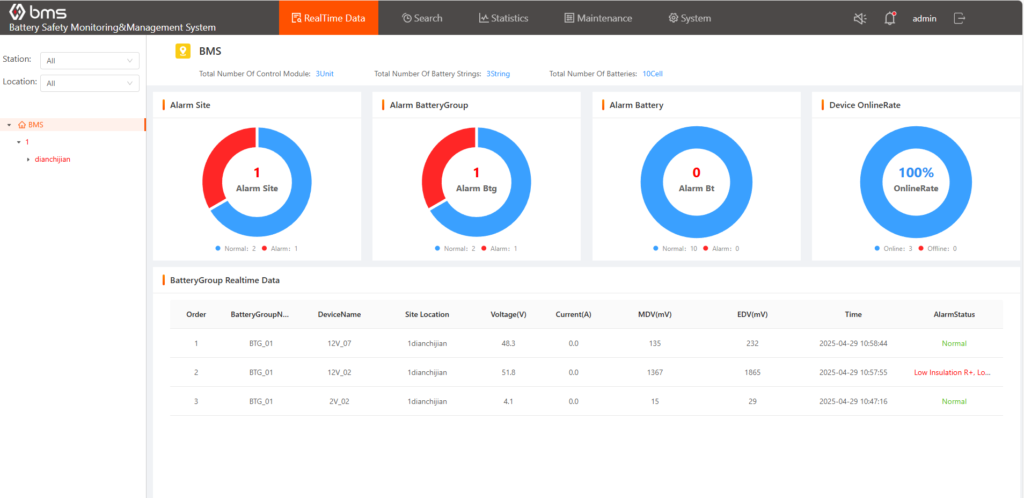
Apply a demo of Gerchamp’s Cloud Platform
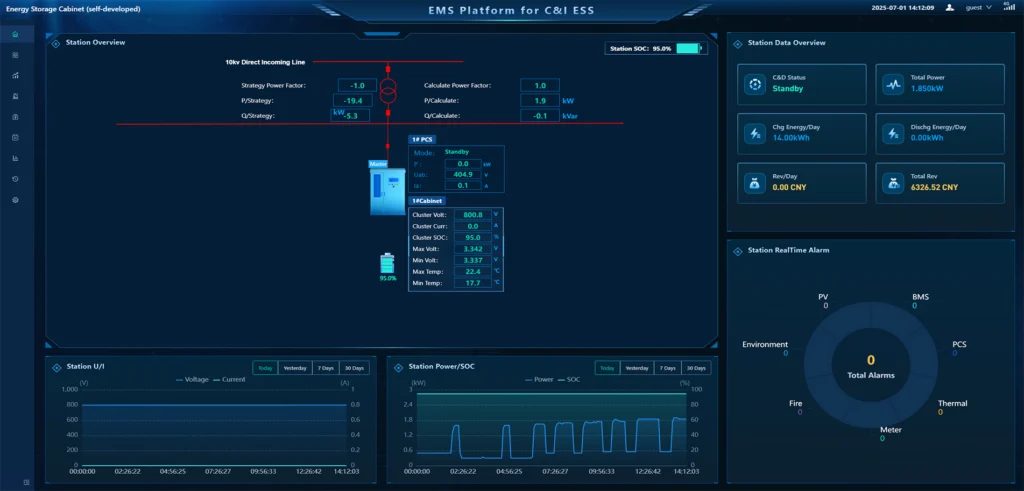
Apply a demo of Gerchamp’s Cloud Platform
 Gerchamp