The so-called data center battery monitoring solution is essentially a set of precision-designed systems, and its sole purpose is to ensure that the uninterruptible power supply (UPS) can really “uninterrupted” at critical moments “. In actual projects, we focus on the automated management of health analysis for lead-acid batteries (especially VRLA valve-regulated and vented).
By deploying a dedicated monitroing system, this scheme can continuously track internal resistance, float voltage and negative column temperature. This completely changed the past that full of risks of manual inspection mode, to achieve 7×24 hours of real-time monitoring. It can actively find out the hidden dangers of failure that are invisible to the naked eye-such as vulcanization, electrolyte drying up, and even the impending final thermal runaway. In this way, operations managers can move from “firefighting” to “predictive maintenance”, pinpointing and replacing problematic units, meeting IEEE compliance requirements and maximizing total cost of ownership (TCO) savings.
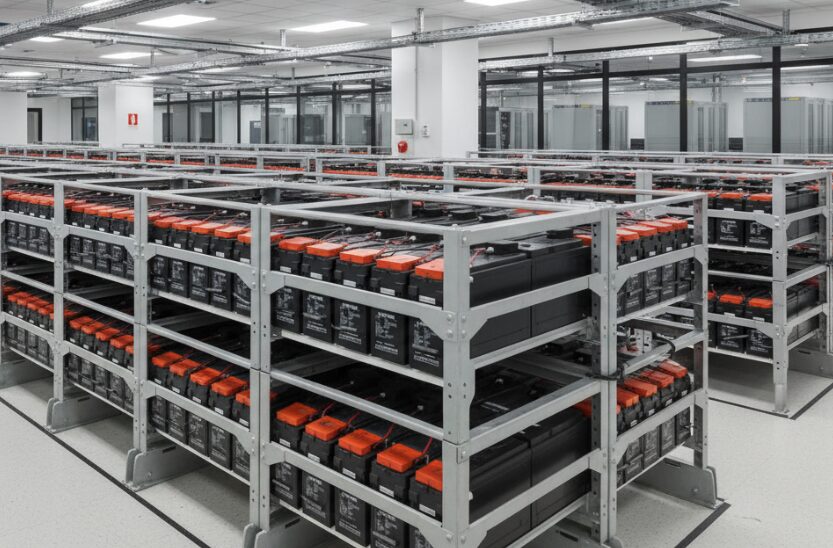
To truly understand the value of a battery monitoring system, one must first look at what it protects. Lead-acid batteries, whether VRLA or vented, although they are all relatively mature technologies, there are still some inherent problems with this type of lead-acid battery.
The Gerchamp solution is not a passive data logger, but a sophisticated active defense system. It has direct access to the battery architecture via dedicated sensors. The general solutions on the market that only monitor the whole set of voltages are not enough, while the professional monitoring system will go into details to ensure that the analysis is carried out according to the unique fault characteristic curves of VRLA and VLA battery.
The key to the effectiveness of a data center battery monitoring solution is whether it can continuously track the 3 core parameters. These 3 indicators build a “triangle view” that provides health analysis that cannot be achieved by manual inspection:
Manual inspections are usually periodic (in many places even quarterly or annual), which can only represent a “snapshot” at a certain point in time. A battery that passed today’s inspection may fail tomorrow due to severe chemical changes.
Battery monitoring solutions eliminate this risk by providing 7×24 hours of real-time monitoring. Through automated health analysis, the system eliminates human error and safety hazards (such as arc flash) associated with manual testing. It transforms battery monitoring from a periodic checklist into a continuous stream of actionable data. For facilities managers, this means that you no longer have any blind spots on the readiness of backup power.
The primary goal of this program is to “visualize” the invisible threats. The failure of lead-acid batteries is often from the inside out, and by the time the external physical deformation occurs, it is usually too late. The system is specifically tuned for the following failure modes:
The implementation of a battery monitoring solution marks a fundamental shift in the operating model from “reactive” to “predictive” maintenance. We no longer need to wait for the entire battery to fail, or blindly replace the battery according to a fixed calendar schedule (which is usually very wasteful). Facility managers can now pinpoint specific fault batteries. This highly granular management approach brings two main benefits:
Simply put, this system can make money back by preventing expensive downtime and optimizing asset life.
Author : Caleb
I am the BMS Project Manager at Gerchamp. With nine years of experience in the electrical and battery industries, I specialize in critical data center power solutions. I have led teams in executing large-scale BMS installations for major domestic and international clients, including Alibaba, ensuring the safe integration and precise management of advanced battery power systems.pecialize in critical data center power solutions. I have led teams in executing large-scale BMS installations for major domestic and international clients, including Alibaba, ensuring the safe integration and precise management of advanced battery power systems.
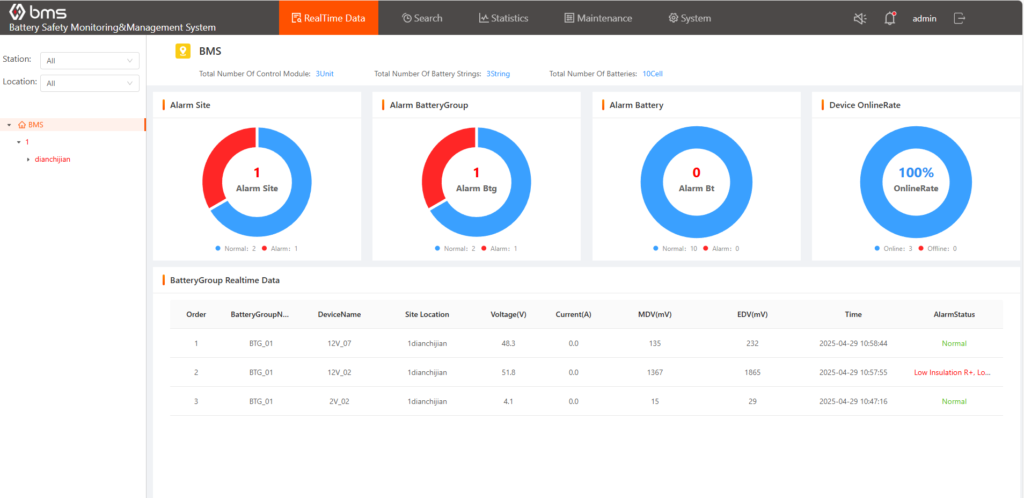
Apply a demo of Gerchamp’s Cloud Platform
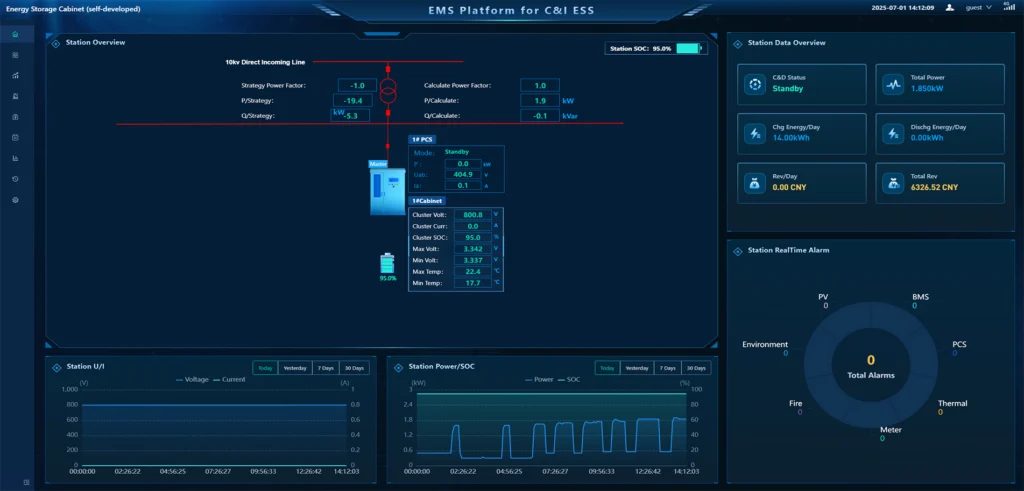
Apply a demo of Gerchamp’s Cloud Platform
 Gerchamp