Gerchamp’s battery monitoring system provides early warning of thermal runaway and high-precision health diagnostics, ensuring the secure operation of critical power systems with comprehensive coverage and minimized risk.
Capacity:
Manage up to 6 groups (total 600 cells).
Voltage Accuracy:
±0.1%.
Operating Temperature:
-20°C to 60°C.
Provides real-time health data to eliminate the risk of server downtime. The precise SOC data ensures that backup power is always ready for critical transitions.

Supports remote unified monitoring for widely distributed stations along subways and high-speed rails, meeting the demand for high reliability in unmanned environments.

Prevents fire hazards caused by battery overheating in explosion-proof zones through the early thermal runaway warning function, ensuring continuous production safety.

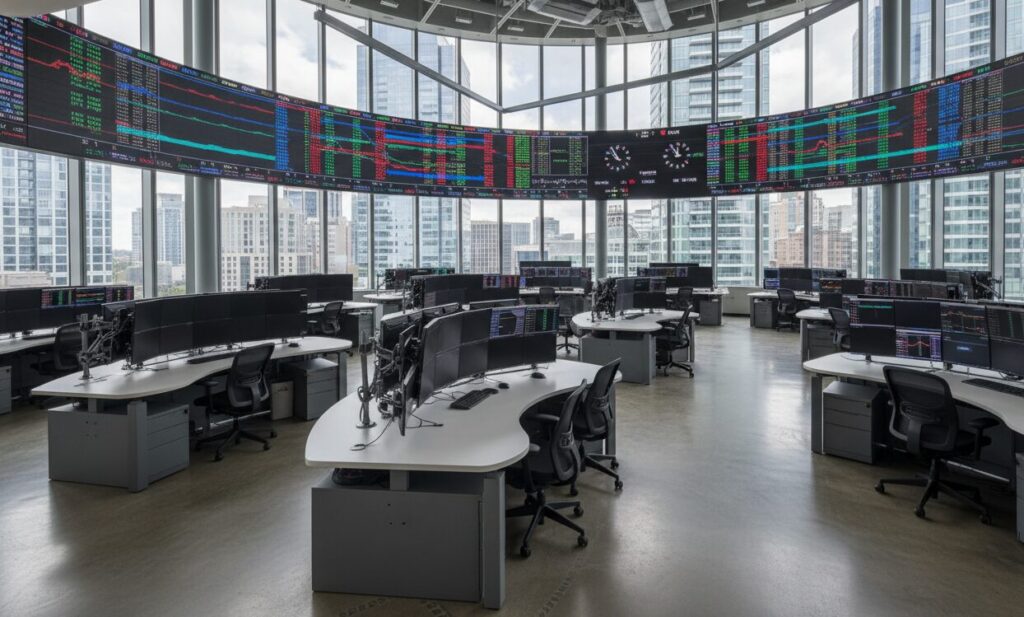
Provides professional health monitoring for critical power infrastructure within the financial sector, supports high availability standards for banking networks, and ensures reliable integration with core management platforms.

Equipped with standard network and serial interfaces, it supports mainstream industrial communication protocols (SNMP, Modbus), enabling data exchange with existing environmental monitoring platforms without additional development.
By analyzing float charge current and surface temperature fluctuations in real-time, the system triggers alerts before thermal runaway occurs. This significantly reduces the risk of fire and unplanned downtime, ensuring server room security.
Utilizing advanced algorithms, the system monitors State of Health (SOH) and State of Charge (SOC) with errors within 5%. This allows for accurate battery life evaluation and avoids unnecessary replacement costs.
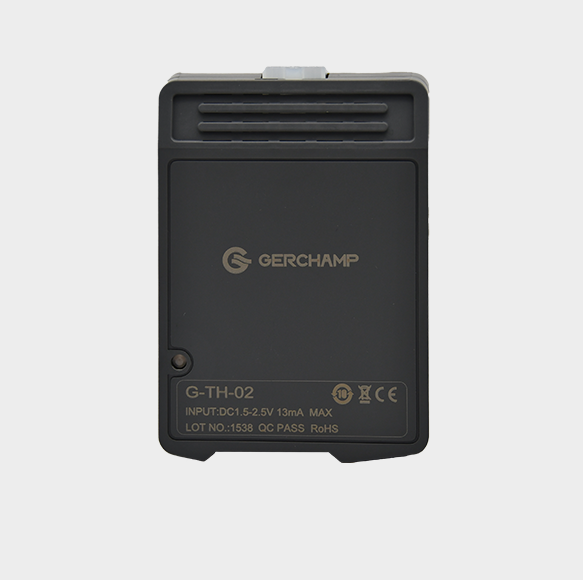
The power consumption of individual monitoring modules is strictly controlled. This design minimizes self-discharge from the backup battery string, extending the overall service life of the energy storage system.
A single system supports the simultaneous management of 6 groups and 600 individual battery cells, perfectly adapting to the complex topologies of large-scale data centers and rail transit hubs.
With an MTBF of 100,000 hours and a built-in hardware watchdog, the system ensures stable, continuous operation, eliminating the risk of monitoring gaps or system crashes.
| Parameter Name | Detailed Specifications |
| Applicable Battery | Lead-acid / VRLA batteries |
| System Max Capacity | 6 groups / 600 cells |
| Voltage Monitoring Range | 1.2V to 12V |
| Voltage Measurement Accuracy | ±0.1% |
| Internal Resistance Repeatability | ±2% |
| Operating Temperature | -20°C to 60°C |
| MTBF (Mean Time Between Failures) | 100,000 hours |
| Module Power Consumption | < 30mW / 11mA (Ultra-low power) |
| Compliance Certification | CE, RoHS, North American Safety Standards |
The Gerchamp battery monitoring system moves beyond basic voltage alarms, providing deep-tier diagnostics that traditional solutions lack. By focusing on predictive analytics rather than reactive alerts, it transforms battery maintenance from a labor-intensive manual task into a streamlined, automated process.

Unlike conventional devices that only trigger on failure, Gerchamp uses advanced algorithm models to capture subtle float-charge anomalies, allowing for maintenance days or weeks before a crisis occurs.
Gerchamp’s battery monitoring system provides early warning of thermal runaway and high-precision health diagnostics, ensuring the secure operation of critical power systems with comprehensive coverage and minimized risk.
Manage up to 6 groups (total 600 cells).
Capacity:
±0.1%.
Voltage Accuracy:
-20°C to 60°C.
Operating Temperature:
Equipped with standard network and serial interfaces, it supports mainstream industrial communication protocols (SNMP, Modbus), enabling data exchange with existing environmental monitoring platforms without additional development.
By analyzing float charge current and surface temperature fluctuations in real-time, the system triggers alerts before thermal runaway occurs. This significantly reduces the risk of fire and unplanned downtime, ensuring server room security.
Utilizing advanced algorithms, the system monitors State of Health (SOH) and State of Charge (SOC) with errors within 5%. This allows for accurate battery life evaluation and avoids unnecessary replacement costs.
The power consumption of individual monitoring modules is strictly controlled. This design minimizes self-discharge from the backup battery string, extending the overall service life of the energy storage system.
A single system supports the simultaneous management of 6 groups and 600 individual battery cells, perfectly adapting to the complex topologies of large-scale data centers and rail transit hubs.
With an MTBF of 100,000 hours and a built-in hardware watchdog, the system ensures stable, continuous operation, eliminating the risk of monitoring gaps or system crashes.
| Parameter Name | Detailed Specifications |
| Applicable Battery | Lead-acid / VRLA batteries |
| System Max Capacity | 6 groups / 600 cells |
| Voltage Monitoring Range | 1.2V to 12V |
| Voltage Measurement Accuracy | ±0.1% |
| Internal Resistance Repeatability | ±2% |
| Operating Temperature | -20°C to 60°C |
| MTBF (Mean Time Between Failures) | 100,000 hours |
| Module Power Consumption | < 30mW / 11mA (Ultra-low power) |
| Compliance Certification | CE, RoHS, North American Safety Standards |
Provides real-time health data to eliminate the risk of server downtime. The precise SOC data ensures that backup power is always ready for critical transitions.
Supports remote unified monitoring for widely distributed stations along subways and high-speed rails, meeting the demand for high reliability in unmanned environments.
Prevents fire hazards caused by battery overheating in explosion-proof zones through the early thermal runaway warning function, ensuring continuous production safety.
Provides professional health monitoring for critical power infrastructure within the financial sector, supports high availability standards for banking networks, and ensures reliable integration with core management platforms.
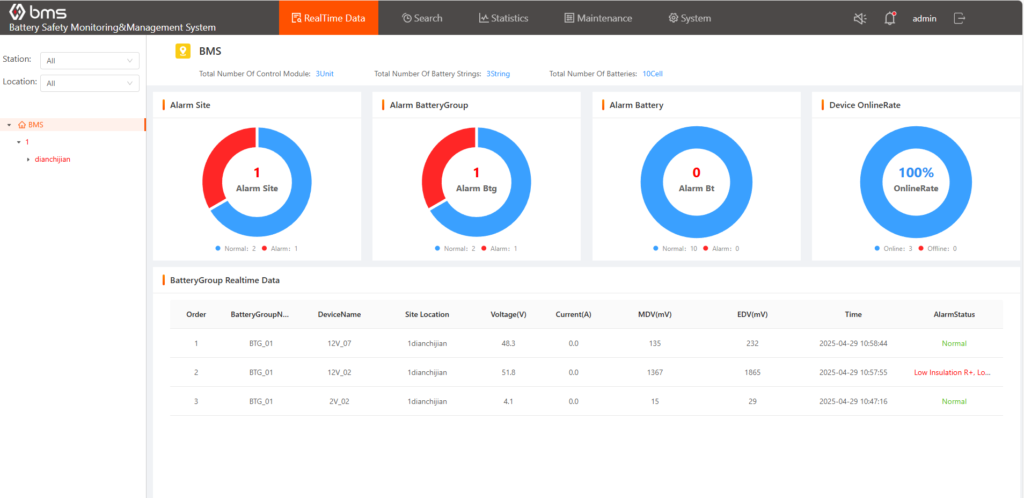
Apply a demo of Gerchamp’s Cloud Platform
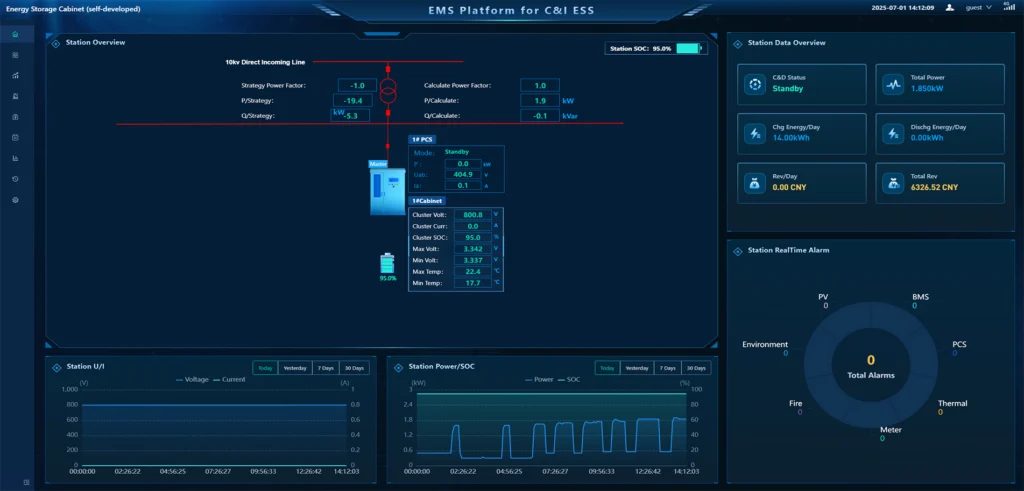
Apply a demo of Gerchamp’s Cloud Platform
 Gerchamp