With the rapid advancement of cloud computing, big data, and AI technologies, data centers have become increasingly vital to the global information infrastructure. According to projections by the Uptime Institute and Statista, the number of data centers worldwide is expected to exceed 10,000 by 2026, with over 50% of new facilities concentrated in the Asia-Pacific, Middle East, and Latin America regions. Meanwhile, data center electricity consumption will continue to rise, projected to account for 3–4% of global electricity demand by 2030. As a result, the reliability and sustainability of backup power systems will become critical priorities, and Uninterruptible Power Supply (UPS) systems are at the heart of ensuring stable operations.
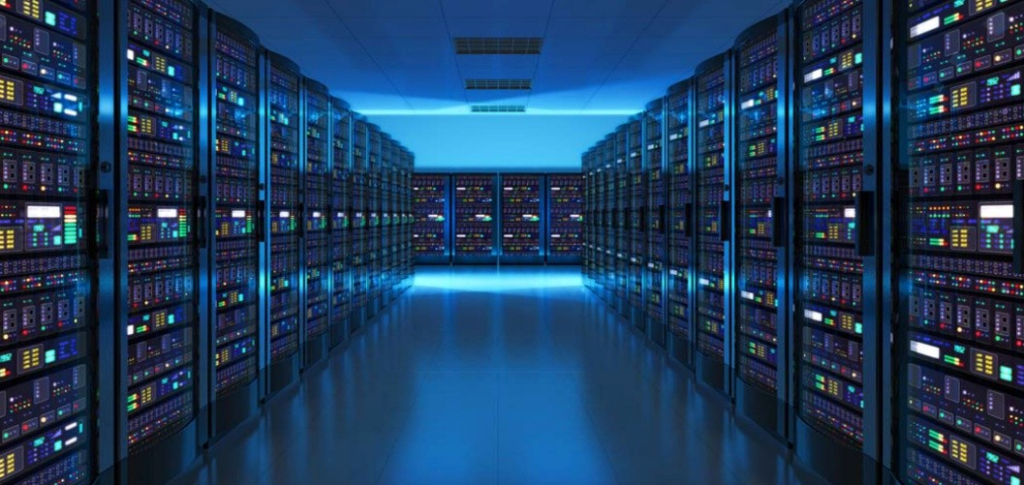
Data Center and UPS Application
Data centers must operate 24/7 without interruption. Any power outage can result in equipment shutdown, data loss, or even complete service disruption. Under normal conditions, IT equipment is powered directly by the utility grid. When a grid failure or severe voltage fluctuation occurs, the UPS instantly activates its inverter and switches to internal battery backup to maintain uninterrupted power to critical IT loads.
To meet the stringent power availability requirements of modern data centers, UPS backup solutions have become increasingly diversified, incorporating a variety of battery chemistries and short-duration energy storage technologies. Each type of backup system offers distinct advantages in terms of cost, service life, safety, energy density, and maintenance—making them suitable for different scales and types of data centers:
Valve-Regulated Lead-Acid Batteries (VRLA):
VRLA batteries remain the most widely used UPS backup solution today. They offer a mature, stable technology with relatively low initial costs, making them ideal for most small to medium-sized data centers. However, they suffer from low energy density, short cycle life (typically 3–5 years), large physical footprint, and sensitivity to ambient temperature—factors that contribute to higher long-term maintenance costs.
Lithium-Ion Batteries (Li-ion):
Lithium-ion batteries have seen rapid adoption in the data center industry due to their high energy density, long cycle life (8–15 years), compact size, and support for fast charge/discharge. These characteristics make them especially suitable for high-density, space-constrained environments. While initial capital costs are higher, Li-ion systems typically offer lower total cost of ownership (TCO). However, their inherent risk of thermal runaway requires advanced battery management system (BMS) for safe operation.
Nickel-Zinc Batteries (Ni-Zn):
As an emerging water-based battery technology, Ni-Zn batteries excel in safety and environmental performance. They are free from thermal runaway, contain no toxic metals, and offer longer service life than lead-acid batteries. With strong fast-charging capabilities and high power output, they are well-suited for distributed or edge data centers where safety, compactness, and limited maintenance resources are priorities.
Flywheel Energy Storage:
Flywheels store energy via high-speed rotation and offer ultra-fast response times and exceptionally long cycle life. They are ideal for environments requiring zero transfer time (e.g., financial trading platforms and banks). Flywheels can bridge short outages within milliseconds, compensating for UPS switchover delays. However, their backup duration typically lasts only a few seconds, making them best suited for short-term transitions when paired with battery systems. Their larger size and higher cost limit deployment to high-availability, mission-critical facilities.
As data centers continue to expand in scale and energy intensity, selecting a suitable UPS backup solution requires careful consideration of business continuity, power architecture, physical space, and TCO. Understanding the strengths and limitations of each technology—and tailoring solutions to operational needs—is key to building a resilient, high-efficiency power infrastructure for the data centers of the future.
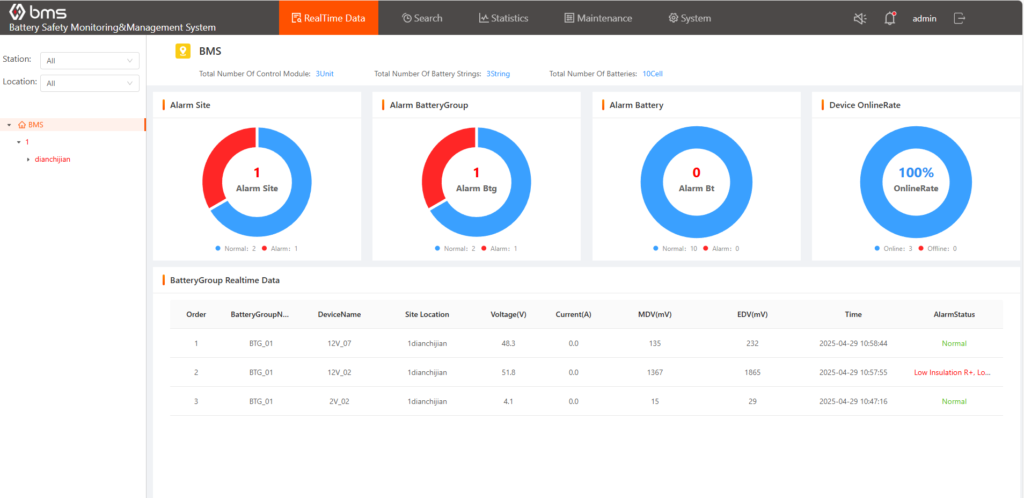
Apply a demo of Gerchamp’s Cloud Platform
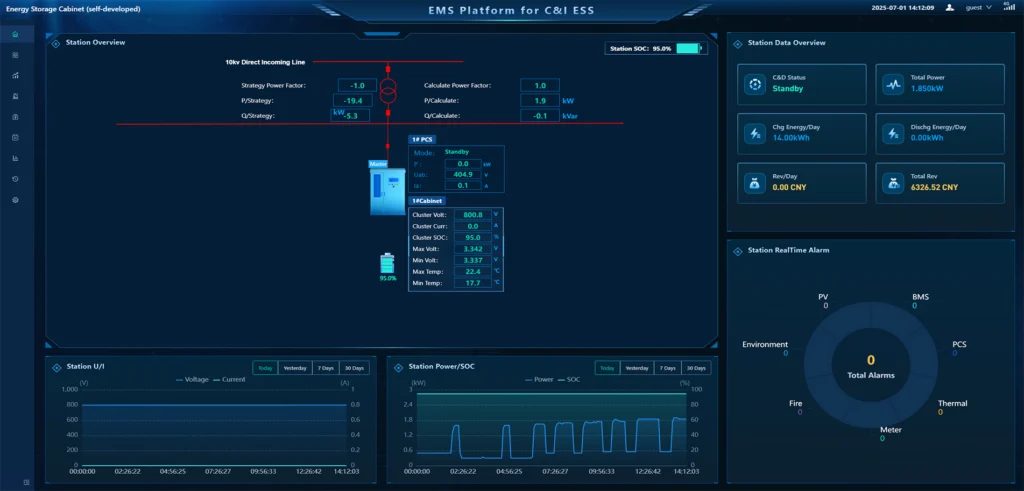
Apply a demo of Gerchamp’s Cloud Platform
 Gerchamp