In a battery management system, temperature monitoring is a crucial function. Whether it’s high temperature or low temperature, it can affect the performance and lifespan of lithium batteries. Therefore, BMS temperature monitoring has become an important means to ensure the safe operation of batteries. This article will discuss the impact of temperature on lithium batteries, the necessity of BMS temperature monitoring, and related technical modules.
The primary purpose of BMS temperature monitoring is to prevent abnormal temperatures from damaging the battery. In low-temperature environments, although the performance of lithium batteries is superior to traditional batteries, if the charging temperature is below 0℃, a metal lithium plating layer may form on the anode. This can cause permanent damage to the battery, not only reducing its capacity but also potentially increasing safety risks. In high-temperature environments, the chemical reaction rate of lithium batteries increases. While this may initially boost capacity and performance, long-term high-temperature usage will accelerate battery aging, reduce service life, and even cause thermal runaway, leading to severe safety hazards. Therefore, the role of BMS temperature monitoring is especially important.
The BMS temperature monitoring function ensures that the battery operates within a suitable temperature range by real-time monitoring of the battery’s temperature. Batteries can experience performance degradation or safety issues at excessively high or low temperatures. Through BMS temperature monitoring, temperature anomalies can be detected in time, and by adjusting the operating mode or initiating protective measures, battery damage or safety incidents can be prevented. Effective temperature management not only extends the battery’s service life but also ensures stability and reliability in various environments.
The BMS temperature monitoring module is typically composed of multiple temperature sensors distributed throughout the battery pack, monitoring the battery’s temperature changes in real-time. The main functions of BMS temperature management are as follows:
BMS temperature monitoring plays a crucial role in battery management, ensuring stable and safe operation of batteries under various environmental conditions. Gerchamp’s battery management system employs advanced BMS temperature monitoring technology, capable of precisely controlling battery temperature, optimizing battery lifespan and safety. Whether in high or low-temperature environments, Gerchamp‘s system provides reliable temperature management, safeguarding your battery equipment.
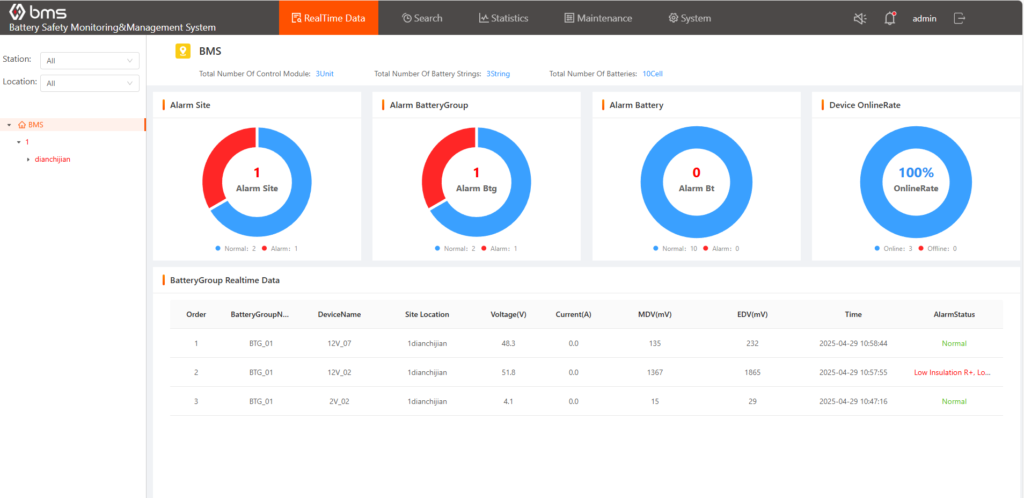
Apply a demo of Gerchamp’s Cloud Platform
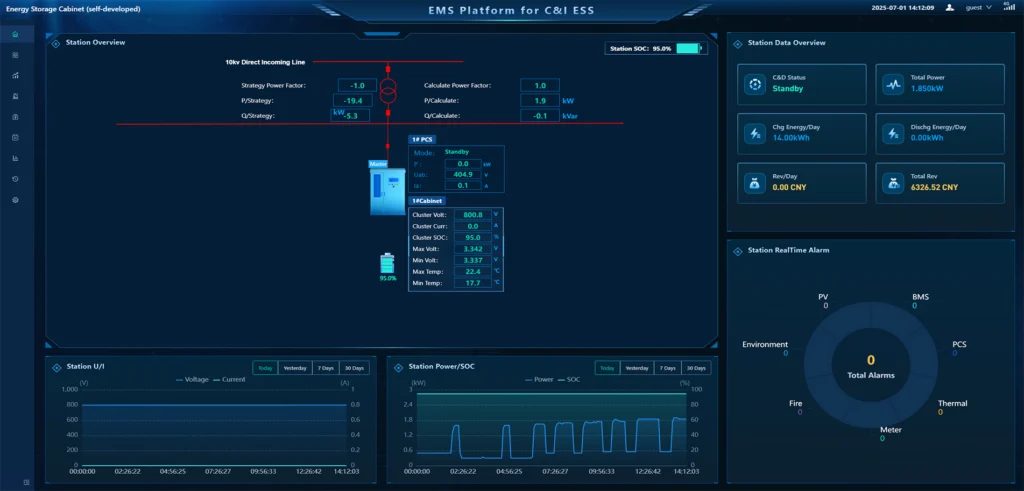
Apply a demo of Gerchamp’s Cloud Platform
 Gerchamp