The essence of energy storage is to solve the contradiction between the continuity of power supply production and the intermittency of power demand and to realize the stable operation of power in the power generation side, grid side, and user side. Electrochemical energy storage is currently the most potential energy storage technology due to its high energy density, high technological maturity, long life of usage, and other advantages with long-term profitability. Lithium battery is an important form of electrochemical energy storage, occupying a major position in the application of the energy storage market. Therefore, the BMS of lithium batteries plays an indispensable role in the ESS in turn. This article will introduce the two Lithium battery BMS energy storage applications: BESS and C&I ESS, to further elaborate on the importance of BMS for the safe operation of the energy storage system.
BESS is also known as front-of-the-meter energy storage, which can be further divided into power generation side ESS and grid side ESS. Energy Storage Solution plays a significant role in both scenarios.
From the view of the grid side, which is also currently the main form of application, ESS can act as a flexible “independent power station” to alleviate grid congestion and maintain grid stability, improve transmission and distribution capacity and quality of electricity, and therefore, solve the problem of power supply and demand imbalance.
From the perspective of the power generation side, the characteristics of renewable energy will bring 15% -30% of the grid anti-peak regulation pressure. Thus, under a higher requirement of peak and frequency regulation, equipping with ESS can solve the problem of renewable energy consumption.
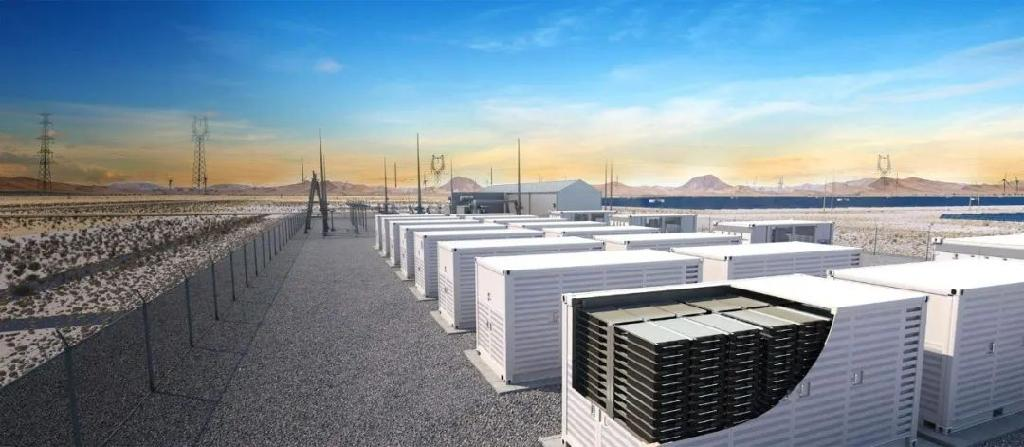
BESS Application Scenario
C&I ESS, along with Residential ESS, is categorized as behind-the-meter energy storage. It is often applied in industrial and commercial business parks. The arbitrage of peak and valley tariffs is the most direct way to realize the economic value of ESS: Users can charge the energy storage battery with cheaper valley tariffs when the load is in the low valley, and in the peak load, the storage battery will supply power to the load to realize the transfer of the peak load, and therefore, obtain the income from the peak and valley tariffs.
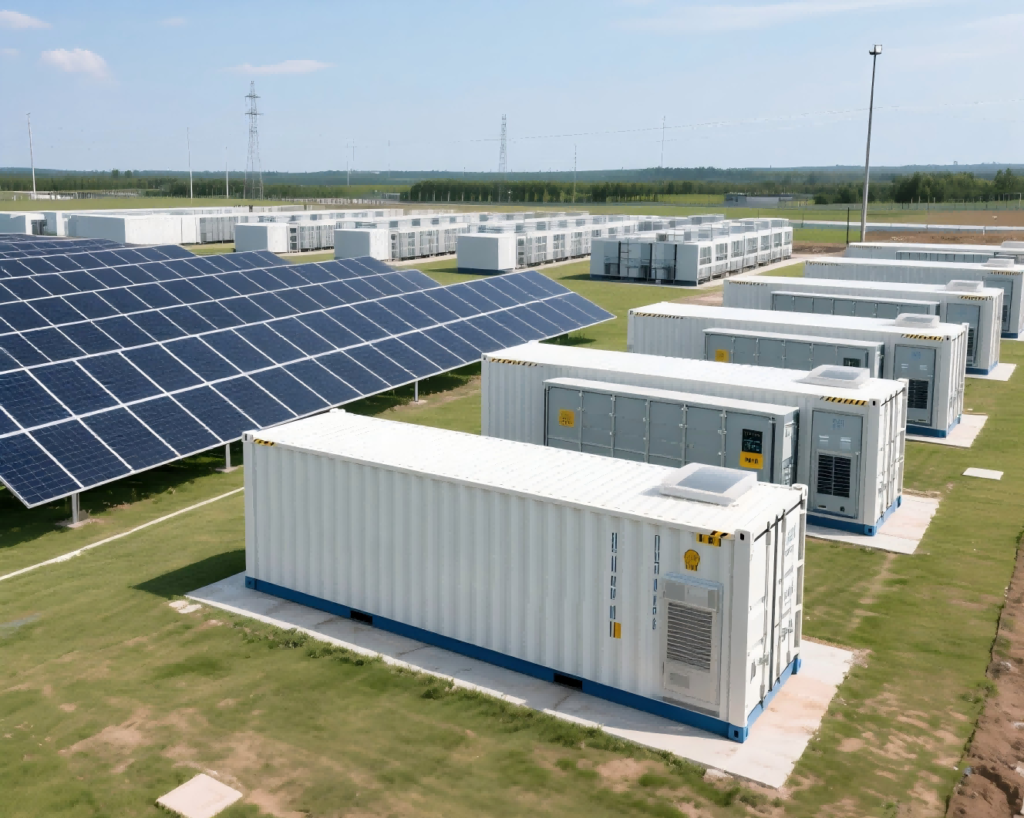
At present, C&I ESS can also be combined with photovoltaic to realize the self-generation and self-consumption of power. due to the consistent time of electricity consumption peak and photovoltaic power generation peak, the distributed C&I ESS+PV is high in ratio of self-generated and self-consumption, thus saving the cost of electricity and ensuring stable power supply in special circumstances.
Whether in BESS and C&I ESS, electrochemical energy storage based on lithium batteries is inseparable from the BMS.
For small and medium-sized C&I ESS, lithium battery BMS provides an integrated system solution of data acquisition, data analysis, logic processing, and data mapping, which can provide over-charging, over-discharging, over-current, over-temperature, and short-circuit protection for the battery packs, and real-time detection of the battery’s safety status, early warning, and accurate estimation of SOC/SOH.
In the application of BESS, lithium battery BMS carries out unified management of batteries on a hierarchical level with a more complex structure. According to the characteristics of each level, the lithium battery BMS calculates and analyzes all kinds of parameters and operation status of the battery, to realize the effective management of equalization, alarm, protection, etc. In this way, each group of batteries can achieve equal output so that the system can realize the best operation status and the longest operation time. Lithium battery BMS also provides accurate and effective information on battery management. Through the equalization of the battery, BMS can greatly increase the efficiency of the battery’s energy utilization, optimize the load characteristics, and extend the battery’s life of usage to the maximum extent.
Gerchamp provides lithium battery BMS solutions to guarantee efficient, reliable, and safe energy storage system operation for BESS, C&I ESS, and other energy storage application areas.
Root Causes of the Crisis: Soaring Power Demand and Aging Grid
In recent years, U.S. residential electricity prices have continued to climb. In 2024, the median residential rate reached 17.47 cents per kWh, with some states experiencing increases exceeding 30%. Two primary factors contribute to this situation. First, natural gas accounts for 43% of the U.S. electricity generation, and fluctuations in natural gas prices are directly reflected in retail electricity prices, resulting in unstable electricity prices. Second, the power grid infrastructure is severely aging—about 70% of transmission lines have been in operation for over 25 years—hindering the system’s ability to meet rising demand and to efficiently integrate clean energy sources such as solar and wind.
Great Potential for Solar Power, but Numerous Obstacles
Despite the power crisis, the U.S. solar PV industry holds tremendous potential for development. From a cost perspective, the U.S. photovoltaic power costs have fallen significantly to 30-40 USD/MWh, even as low as 25 USD/MWh in areas with sufficient light, which makes it economically competitive compared to traditional energy sources. Moreover, solar PV projects have relatively short construction cycles, enabling rapid deployment to mitigate supply-demand tensions.
However, the development of U.S. solar PV faces several challenges. Policy uncertainties and regulatory changes—such as revised approval processes—have created hurdles for project implementation. Supply chain disruptions also constrain growth. Moreover, land use policies limit large-scale solar deployment; some regions oppose installing solar farms on productive farmland, further complicating expansion efforts.
Strategic value and irreplaceability of energy storage
In contrast to the obstacles facing solar PV, energy storage is emerging as an integral part of the U.S. power system. By the end of 2024, the installed capacity of electrochemical energy storage in the US will have exceeded 20GW/50GWh, with an annual growth rate of more than 30%. The rapid development of energy storage is attributed to its irreplaceable practical value:
– Essential Need for Grid Peak Shaving: Energy storage provides millisecond-level response, alleviating the intermittency issues of solar and wind power and compensating for the aging grid’s limited regulation capabilities.
– Support for High-End Manufacturing: Industries such as semiconductor factories require stable voltage and a 24/7 uninterrupted power supply. Energy storage combined with renewable energy in off-grid models can bypass transmission bottlenecks and directly supply power.
– Cost Competitiveness: The levelized cost of electricity of integrated solar PV and storage systems in the U.S. has dropped to 60-90 USD/MWh, close to that of new natural gas power plants (50-80 USD/MWh) and significantly lower than coal power (80-120 USD/MWh).
– Faster Deployment: Solar-storage power plants can be grid-connected within one year, compared to 4-6 years for natural gas plants.
To resolve the U.S. power crisis, it is crucial to promote the synergistic development of innovative energy technologies like solar PV and energy storage. While the solar industry holds tremendous potential, it currently faces policy, land, and supply chain hurdles. Meanwhile, energy storage technology is playing an increasingly important role in the power system due to its advantages in grid regulation, support for high-end manufacturing, cost-effectiveness, and shorter construction cycles. How the U.S. power market balances these factors to promote the healthy development of the solar and storage industries—and thereby alleviate the power crisis—will be worth watching closely in the future.

Apply a demo of Gerchamp’s Cloud Platform
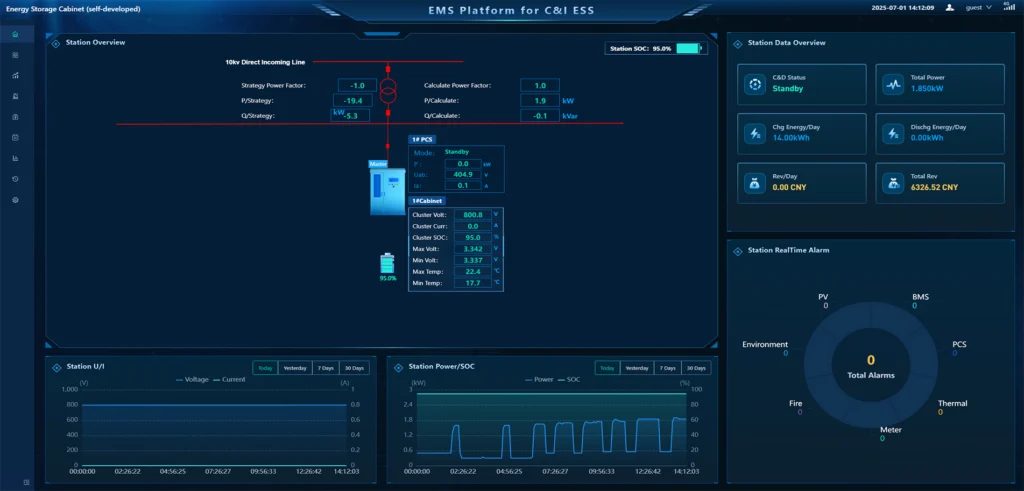
Apply a demo of Gerchamp’s Cloud Platform
 Gerchamp