With the evolution of large models like ChatGPT, Deepseek, and Grok, the global AI industry is undergoing transformation. In early 2025, the Deepseek-R1 model achieved exceptional performance with high cost-effectiveness, propelling Artificial Intelligence Data Centers (AIDC) into a golden period. As an AI-upgraded version of the traditional Internet Data Center (IDC), the AIDC acts as the “computing factory” of the intelligent era, primarily providing the computing power, data, and algorithm services required by AI. In contrast, the IDC is more like a “general warehouse” for the digital economy, meeting basic digital needs. The differences between the two, along with the pros and cons of AIDCs, are reshaping the computing infrastructure landscape.
The Essential Difference Between AIDC and IDC: From “General Purpose” to “Specialized”
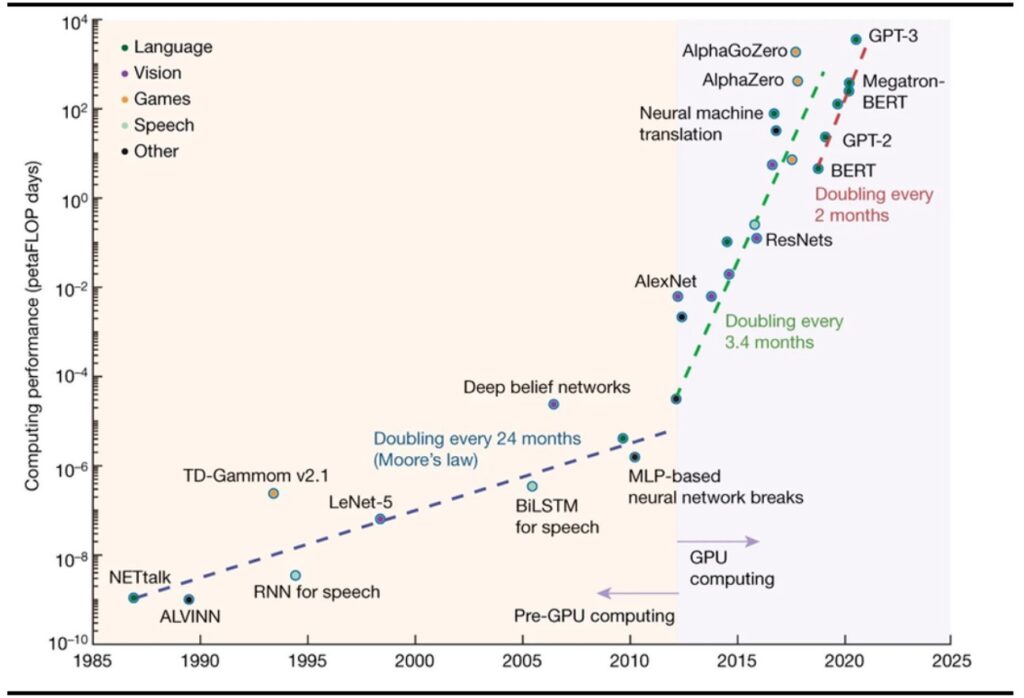
The upgrade from IDC to AIDC stems from AI’s reshaping of infrastructure, with core differences focusing on two aspects: First, a leap in computing density and power consumption. IDCs primarily use general-purpose servers, with a single cabinet power consumption of 4-8kW, focusing on basic storage. AIDCs require high-power GPU/TPU servers, with single cabinet power reaching 10-100kW, 5-10 times that of IDCs. Although hardware costs are higher, computing efficiency per unit is significantly improved, enabling support for high-density scenarios like large model training. Second, innovation in cooling technology. IDCs use air cooling, which struggles to handle high-power heat loads. AIDCs require liquid cooling (cold plate/immersion). For instance, the NVIDIA H200 generates 30% more heat under high load, and liquid cooling is 50% more efficient than air cooling. It can also lower PUE (Power Usage Effectiveness) to 1.15, far below the 1.6 typical of air cooling, balancing stability and energy efficiency.
The Core Advantages of AIDC: Meeting the Demands of the AI Era
Amid the AI industry explosion, AIDC’s advantages manifest in three areas: First, covering the full spectrum of AI computing needs. From foundational model pre-training (requiring tens of thousands of compute cards to process trillions of data tokens), to industry-specific model fine-tuning (hundreds to thousands of cards optimizing vertical domain data), and down to model inference (balancing low latency for ToC and high concurrency for ToB), AIDCs can adapt. Furthermore, as AI evolves towards Agentic AI (e.g., coding agents) and Physical AI (e.g., autonomous driving), continuously generating incremental computing demand, AIDCs are the only suitable infrastructure to host it. Second, substantial capital investment from global cloud providers. Cloud provider capital expenditure dictates computing power supply. In 2025, the combined capex of the top four overseas cloud providers exceeded $300 billion, a year-on-year increase of 30%. Microsoft and Amazon plan to invest $80 billion and over $100 billion, respectively, in AIDC construction. Regional providers are also following suit, with one major tech group planning to invest over 380 billion yuan in the next three years, and another company’s 2025 capex potentially reaching 160 billion yuan, largely directed towards AIDCs. Third, global policies optimizing resource allocation. Major global economies and regulators are accelerating energy efficiency standards for computing infrastructure. Several markets have established PUE as a core entry threshold for data center construction, mandating the phase-out of high-energy-consuming traditional facilities. Computational resource audits are also pushing resources towards more efficient enterprises, accelerating the upgrade from traditional IDCs to AIDCs.
The Practical Challenges of AIDC: Shortcomings Amid Rapid Development
AIDC development still faces three major challenges: First, high costs hinder widespread adoption. AIDC hardware (high-power servers, liquid cooling equipment) costs are 3-5 times those of IDCs, and operational costs (liquid cooling maintenance, electricity) remain high, making it difficult for small and medium-sized players to afford, leading to rapid market consolidation. Second, energy pressure is prominent. Global AIDC IT energy consumption is projected to reach 77.7 TWh in 2025 and increase to 146.2 TWh by 2027, a six-fold increase over five years. Current reliance on “grid + UPS + diesel generator” power supply faces constraints due to insufficient supply of high-power diesel units. If new energy sources aren’t widely adopted, energy will become a bottleneck.
The transition from IDC to AIDC is an inevitable upgrade for computing infrastructure to adapt to the intelligent era. With their computing capacity and support from policies and capital, AIDCs have become a cornerstone of the AI industry. However, challenges like high costs, energy demands, and supply chain issues still need breakthroughs. With ongoing technological iteration, AIDCs are poised to become the “power engine” of the intelligent economy.
In summary, AIDCs, as the “computing factories” of the intelligent era, demonstrate significant advantages in computing capacity, policy support, and capital investment, establishing themselves as the cornerstone of the AI industry. However, challenges such as high costs, energy demands, and supply chain issues still need to be addressed. With ongoing technological advancements, AIDCs are poised to become the “power engine” of the intelligent economy. If you have any questions, please consult gerchamp, and we will do our best to assist you.
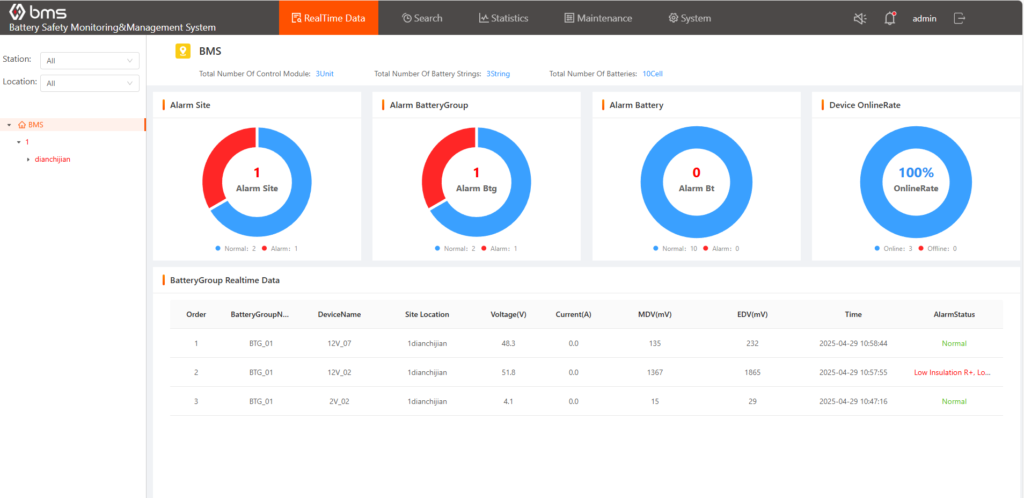
Apply a demo of Gerchamp’s Cloud Platform
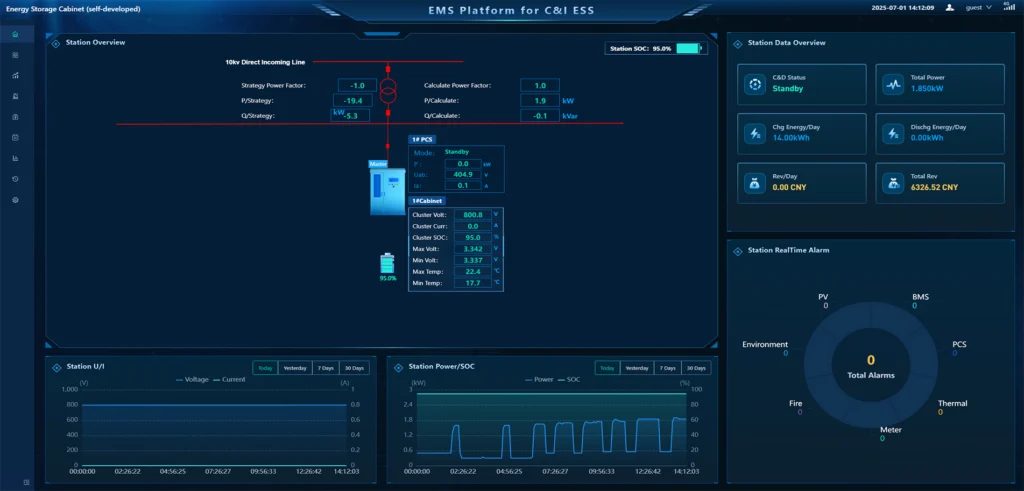
Apply a demo of Gerchamp’s Cloud Platform
 Gerchamp