Battery Monitoring Units (BMUs) have evolved significantly over the years. What once began as basic monitoring systems has transformed into advanced technology, offering precision, accuracy, and unparalleled insights into the health and performance of battery systems. In this blog, we will explore the advancements in BMUs and how they go beyond the basics to provide precise monitoring and control.
The Evolution of Battery Monitoring Units
Battery Monitoring Units have come a long way from their early days as simple voltage and temperature monitors. Modern BMUs incorporate a range of sensors and advanced features to provide comprehensive battery management. Let’s delve into the advanced capabilities that set them apart:
Multisensor Integration
Early BMUs primarily relied on voltage and temperature sensors. Advanced BMUs, however, integrate a multitude of sensors, including:
Sophisticated Algorithms and Data Analytics
Modern BMUs are equipped with sophisticated algorithms and data analytics capabilities. These advancements enable:
Advanced Control Capabilities
Beyond monitoring, advanced BMUs also offer control functionalities:
Precision in Action
Applications Across Industries
Advanced Battery Monitoring Unit finds applications across various industries:
Advanced Battery Monitoring Units have redefined battery management by providing precision, accuracy, and control capabilities that go beyond the basics. Their multisensor integration, advanced algorithms, and control functionalities make them indispensable in critical applications across various industries. As technology continues to advance, these advanced BMUs will play an increasingly pivotal role in ensuring precise and reliable power management while contributing to sustainability efforts.
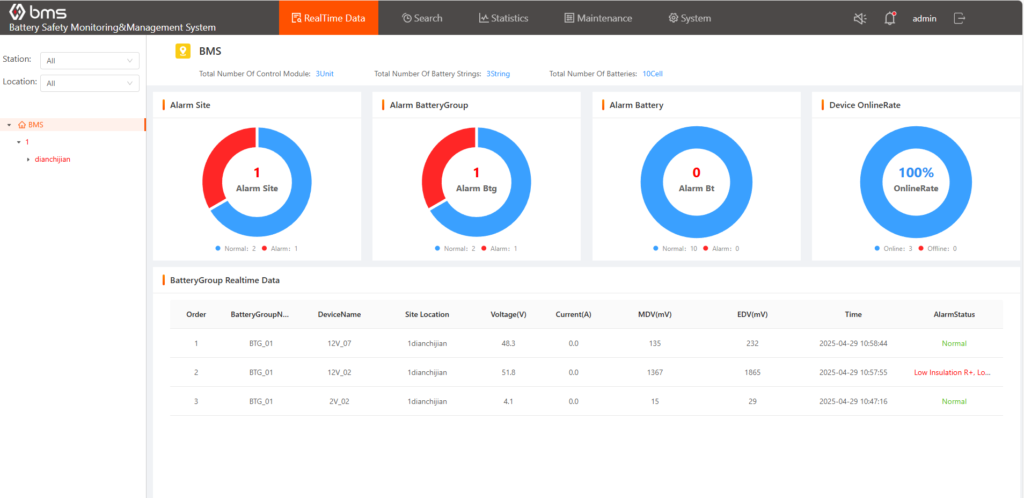
Apply a demo of Gerchamp’s Cloud Platform
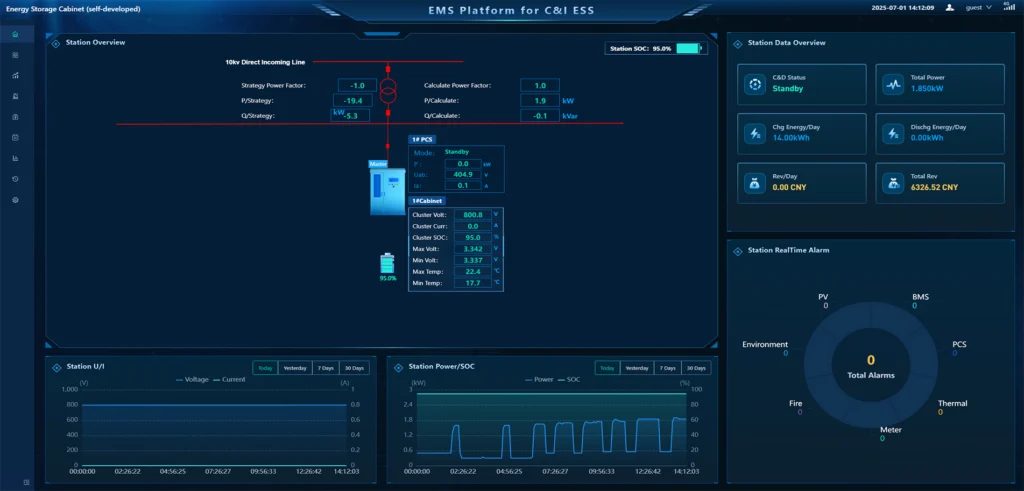
Apply a demo of Gerchamp’s Cloud Platform
 Gerchamp